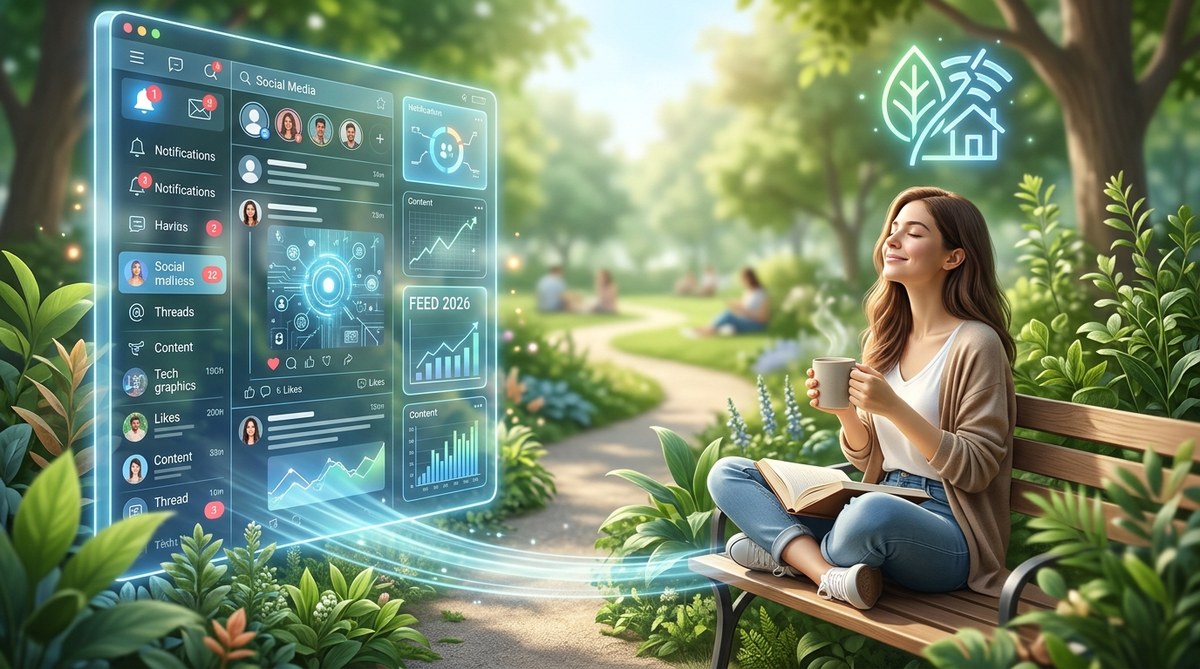
Social media feeds in 2026 feel different. They feel less like a firehose of random content and more like a conversation that actually understands you. That shift is not an accident. It is the result of platforms finally getting serious about contextual engagement. Instead of showing users what is popular, algorithms now prioritize what is relevant in the moment. They consider your mood, your location, your recent activity, and even the time of day. For digital marketing strategists and social media managers, this change is huge. It means the old playbook of posting at the right hour and hoping for the best no longer works. You now need to think about the context around every interaction.
Contextual engagement is the practice of delivering social media interactions that are relevant to a user’s immediate situation, preferences, and environment. In 2026, AI and real-time data make this possible at scale. For brands, this means moving beyond vanity metrics like likes and shares. Success now depends on creating meaningful, timely interactions that feel personal. This article breaks down what contextual engagement is, why it matters, and how you can use it to build stronger connections with your audience.
What Makes Social Media Interactions Smarter in 2026
The smartest interactions on social media today are not random. They are built on layers of data that platforms collect and process in milliseconds. When you open an app, the algorithm already knows a few things about you. It knows if you are at home or on the go. It knows what you watched last night. It even knows if you are likely to be in a hurry. That is contextual awareness in action.
For example, a coffee brand might show you a discount code for cold brew at 2 PM on a hot Tuesday, but only if you live in a warm climate and have engaged with their content before. Five years ago, that level of personalization was a dream. Today, it is the baseline. Users expect brands to understand them. If your content feels generic, they will scroll past it without a second thought.
Contextual engagement also means timing matters more than ever. A post about weekend hiking gear will perform better on a Friday afternoon than on a Monday morning. An emotional story about resilience might resonate more in the evening when people are winding down. The platforms are already optimizing for these patterns. Your job is to align your content strategy with them.
How AI Drives Contextual Engagement
Artificial intelligence is the engine behind this shift. In 2026, AI models are not just sorting content by popularity. They are analyzing thousands of signals to predict what a user wants to see next. These signals include:
- Location data: Are they at work, at home, or traveling?
- Behavioral history: What did they engage with in the past hour?
- Device type: Are they on a phone, tablet, or desktop?
- Time sensitivity: Is there a holiday, event, or trend happening right now?
- Social graph: What are their friends and close connections sharing?
When you combine these signals, you get a feed that feels almost psychic. But it is not magic. It is math. And it means that brands need to feed the algorithm with content that is rich in context. A generic photo of a product will not cut it. You need to show the product in a setting that matches your audience’s current reality.
Think about it this way. If you are a fitness brand, posting a workout video at 6 AM might catch early risers. But posting the same video at 6 PM with a caption about winding down after work could connect with a different group. The content is the same, but the context changes everything. This is the kind of nuance that AI rewards.
A Practical Process for Building Contextual Engagement
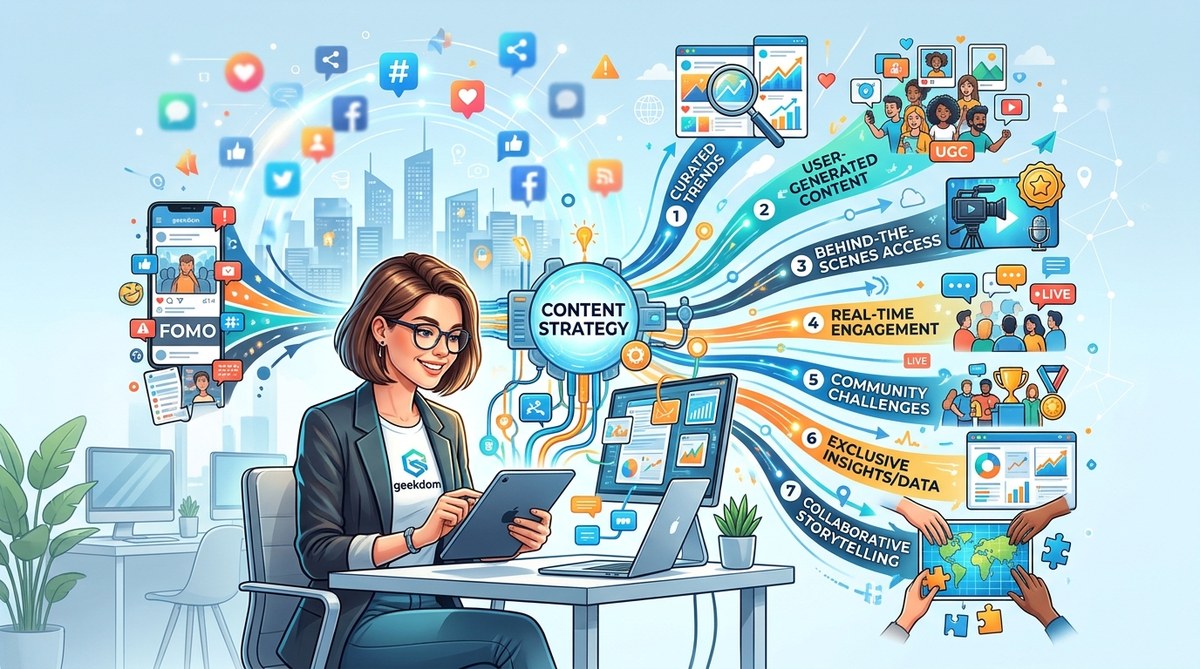
You cannot just flip a switch and start creating contextual content. It takes a structured approach. Here is a numbered list to help you build a workflow that works in 2026.
-
Audit your audience segments. Start by understanding who your followers are and when they are most active. Use platform analytics to identify patterns. Look for differences in behavior between weekdays and weekends. Note which topics get the most comments versus which get the most shares. This baseline data is your starting point.
-
Map content to real-world moments. Create a calendar that goes beyond holidays. Include local events, weather patterns, and cultural moments. If you know a big sports game is happening, plan content that ties into the excitement. If a snowstorm is forecasted, adjust your messaging to match the mood. The more specific you get, the better.
-
Use AI tools to predict timing. Many social media management platforms now offer predictive scheduling. These tools analyze past performance and suggest the best times to post for each segment. Trust the data, but also test your own hypotheses. Sometimes a counterintuitive time can work because there is less competition.
-
Test different context cues. Try varying your captions, visuals, and calls to action based on time of day or day of the week. For instance, a morning post might use energetic language, while an evening post might be more reflective. Track which versions get higher engagement and iterate from there.
-
Measure what matters. Stop obsessing over likes. Focus on meaningful interactions. Look at comment quality, share rates, and how long people spend with your content. These metrics tell you if your contextual strategy is actually working.
Common Mistakes to Avoid
Contextual engagement is powerful, but it is easy to get wrong. The table below outlines some common mistakes and how to fix them.
| Mistake | Why It Fails | Better Approach |
|---|---|---|
| Posting the same content across all platforms | Each platform has different user behavior and context | Tailor your message and format for each network |
| Ignoring time zones | Your audience is not all in one place | Use scheduling tools to match peak times per region |
| Overpersonalizing | Creepy targeting can turn users off | Keep personalization subtle and value driven |
| Relying only on automation | Context requires human judgment too | Combine AI insights with your own creative intuition |
| Forgetting mobile first | Most social interactions happen on phones | Design for small screens and short attention spans |
The Role of Micro-Communities in Contextual Engagement
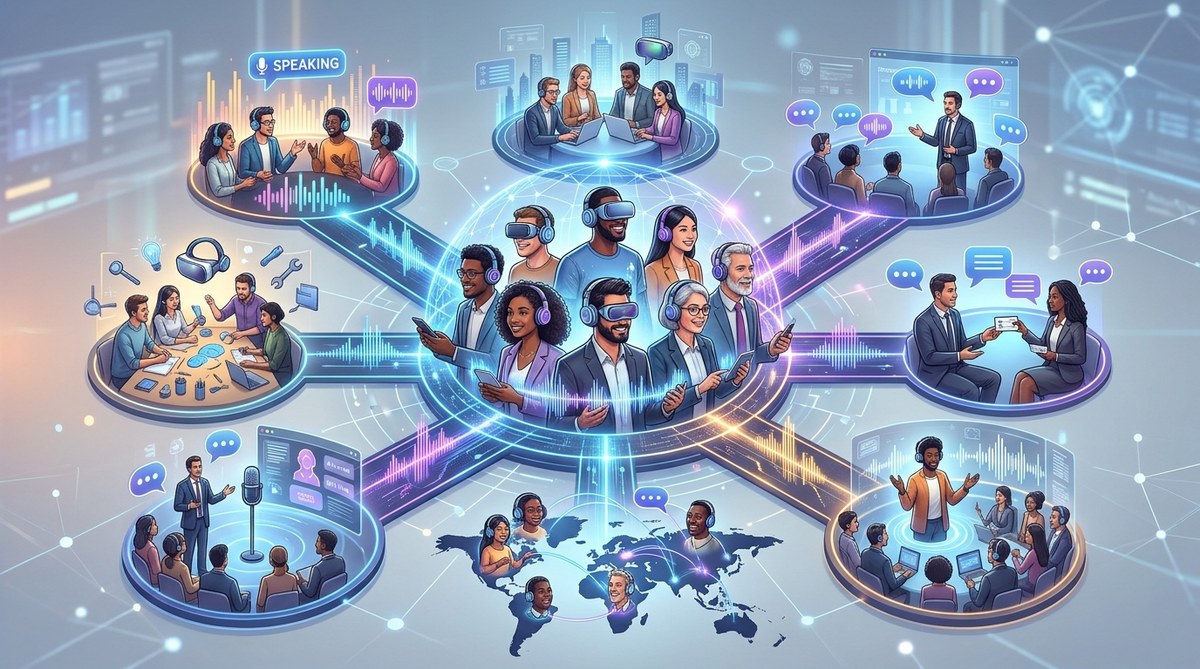
One of the biggest trends in 2026 is the rise of micro-communities. These are small, focused groups within larger platforms. Think of a subreddit for vintage camera collectors or a Discord server for indie game developers. These spaces thrive on context because members share a specific interest or identity.
For brands, micro-communities are a goldmine. When you engage with a micro-community, you already know the context. You know what they care about. You know their inside jokes and their pain points. This makes it much easier to create content that resonates. Instead of shouting into the void, you are having a real conversation.
If you are a digital marketing strategist, consider building or joining micro-communities related to your niche. It is not about selling. It is about contributing value. Share a tip, answer a question, or post something that shows you understand their world. Over time, this builds trust. And trust leads to engagement.
“The most effective social media strategy in 2026 is not about reaching everyone. It is about reaching the right person at the right moment with the right message. Context is the bridge between content and connection.” — Geekdom Social Insights Team
Tools and Techniques for 2026
You do not need a huge budget to get started with contextual engagement. Many platforms already offer built in features that help you understand your audience. Here are a few techniques that work well this year.
- Sentiment analysis: Use tools that scan comments and mentions to gauge the mood of your audience. If people are frustrated, adjust your tone to be more empathetic. If they are excited, match that energy.
- Real time listening: Set up alerts for trending topics and keywords in your industry. When something relevant happens, respond quickly. Speed is a form of context.
- Content tagging: Tag your posts with metadata that helps algorithms understand the context. For example, tagging a post as “morning routine” or “weekend fun” can help platforms show it to the right people at the right time.
- A/B testing for context: Run split tests on different contextual variables. Test a morning version of a post against an evening version. Test a location specific call to action. Let the data guide your decisions.
Why Your Strategy Needs a Context First Mindset
The biggest shift in social media over the past few years is not a new feature or a new platform. It is a new way of thinking. The most successful brands in 2026 are the ones that put context at the center of their strategy. They do not ask “what should we post?” They ask “what does our audience need right now?”
This mindset changes everything. It changes how you write captions. It changes when you hit publish. It changes which visuals you choose. And most importantly, it changes how your audience feels about your brand. They stop seeing you as a company and start seeing you as a friend who gets them.
If you want to learn more about how algorithms are changing user behavior, check out our guide on how social media algorithms are changing user interaction in 2026. For a broader look at where digital culture is headed, read about the future of online communities and trends shaping digital culture.
Putting Contextual Engagement to Work for You
Contextual engagement is not a passing trend. It is the new standard for social media interaction. As AI gets better and users get more selective, the brands that thrive will be the ones that understand the moment. They will be the ones that show up with the right message at the right time.
Start small. Pick one platform and one audience segment. Spend a week testing different contextual cues. Look at what works and what does not. Then build from there. The goal is not perfection. The goal is progress. Every time you learn something about your audience, you get a little bit closer to creating interactions that feel genuinely smart.
So go ahead. Take what you have learned here and apply it to your next campaign. Your audience is waiting for you to meet them where they are.