If you are a marketing manager or brand strategist, you have probably noticed something shifting in your campaign reports. The big celebrity posts with millions of impressions are not converting like they used to. Meanwhile, that collaboration with the creator who has 15,000 followers is driving comments, shares, and actual sales. This is not a fluke. In 2026, the data is clear: micro-influencers are consistently outperforming celebrities across nearly every meaningful metric. The question is no longer if you should work with them, but how to build a strategy around their unique strengths.
Micro-influencers now deliver 60% higher engagement rates than celebrity accounts, and their audiences trust them like a friend. For brands in 2026, this means a lower cost per conversion and stronger community loyalty. Shifting budget toward niche creators with 5,000 to 50,000 followers is not a trend. It is a proven strategy for sustainable growth.
The numbers behind the shift
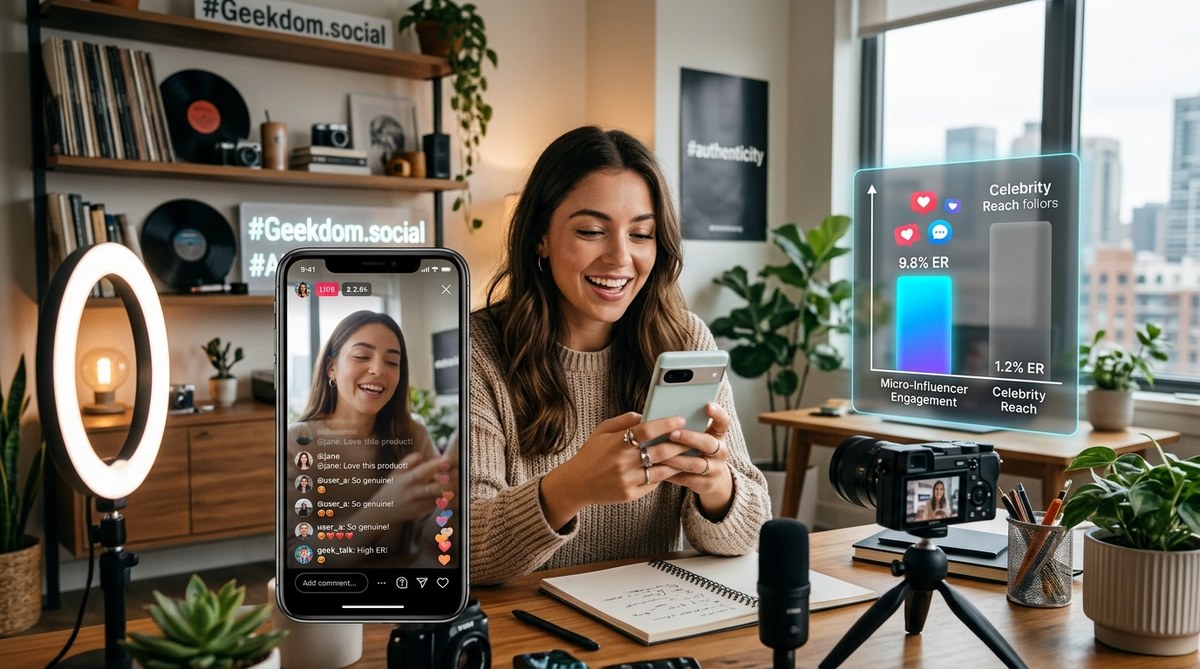
Let us start with the raw data. A 2026 industry report from major marketing analytics platforms shows that micro-influencers (accounts with 5,000 to 50,000 followers) average an engagement rate of 5.8% across Instagram and TikTok. Celebrity accounts with over one million followers? They average just 1.2%. That is a gap of nearly five times.
Why does this matter for your bottom line? Engagement drives action. When a creator with a small but loyal audience posts about a product, their followers are more likely to click, save, and buy. According to the same data, micro-influencer campaigns generate a cost-per-click that is 40% lower than celebrity campaigns. For a small business owner or a brand strategist working with a limited budget, these numbers make the decision straightforward.
Celebrities still offer reach. If you need a million eyeballs in 24 hours for a brand awareness push, a celebrity can deliver that. But for trust, conversation, and conversion, micro-influencers are the better investment.
Why trust is the new currency
In 2026, consumers are more skeptical than ever. They have seen too many sponsored posts from celebrities who clearly do not use the product. A famous actor holding a skincare bottle feels staged. A local fitness coach showing their morning routine with the same product feels real.
“The most powerful marketing in 2026 is not a polished ad. It is a recommendation from someone who feels like a neighbor. Micro-influencers have built their followings on relatability, not fame. That trust is something money cannot buy.” – Sarah K. Lee, Social Media Strategist
This trust translates directly into purchase intent. A survey from early 2026 found that 72% of consumers said they trust a micro-influencer’s product recommendation more than a celebrity endorsement. The reason is simple: micro-influencers interact with their audience. They reply to comments, share behind-the-scenes moments, and admit when something does not work for them. That honesty is gold for brands.
How to build a micro-influencer campaign in 2026
Moving from a celebrity-first strategy to a micro-influencer approach requires a shift in mindset. You are not buying reach. You are renting a relationship. Here is a practical process to get started:
-
Identify your niche community. Do not look for broad categories. Look for specific interests. If you sell hiking gear, find creators who post about trail running in the Pacific Northwest, not general outdoor enthusiasts.
-
Audit for authentic engagement. Check their comments section. Are they getting genuine questions and conversations? Or is it just emoji spam? Look at the ratio of likes to comments. A healthy community has a high comment rate.
-
Start with a small test. Run a campaign with five to ten micro-influencers. Give them creative freedom. Measure clicks, saves, and direct messages. Do not just look at likes.
-
Build long-term partnerships. One-off posts feel transactional. A three-month partnership where the creator integrates your product into their lifestyle builds deeper trust. Their audience sees the product as a genuine part of their life.
-
Track with UTM links and promo codes. This is non-negotiable. You need to know exactly which creator drove which sale. Use unique discount codes for each partner.
Common mistakes to avoid
Even with the best intentions, brands stumble. Here is a table of frequent errors and how to fix them.
| Mistake | Why it fails | Better approach |
|---|---|---|
| Treating micro-influencers like mini-celebrities | You script their posts and kill their voice | Give them a brief, then let them speak naturally |
| Choosing based on follower count alone | You end up with bots or disengaged audiences | Focus on engagement rate and comment quality |
| Paying everyone the same flat fee | You undervalue top performers | Use a base rate plus performance bonus model |
| Ignoring the comment section | You miss real-time feedback about your product | Monitor comments weekly to adjust your messaging |
| Ending the relationship after one post | You waste the trust they built over years | Plan a series of posts that tell a story |
Where micro-influencers shine brightest
Not every product category benefits equally from micro-influencers. The best results appear in niches where trust and expertise matter. Think about these areas:
- Skincare and beauty. People want to see real skin textures, not airbrushed results. A micro-influencer showing their acne journey with a product is powerful.
- Fitness and wellness. Followers want a coach, not a model. A yoga instructor with 8,000 followers who posts daily routines can drive more class sign-ups than a celebrity.
- Local services and retail. A restaurant owner in Austin collaborating with local food bloggers gets foot traffic. A national celebrity post might not move the needle for a single location.
- B2B software. Yes, even in B2B. A project manager sharing how a tool helps their team on LinkedIn can generate more demo requests than a banner ad.
For a deeper look at how these dynamics fit into larger digital culture shifts, check out our guide on understanding digital culture and how online communities shape modern social interaction.
The role of platform algorithms in 2026
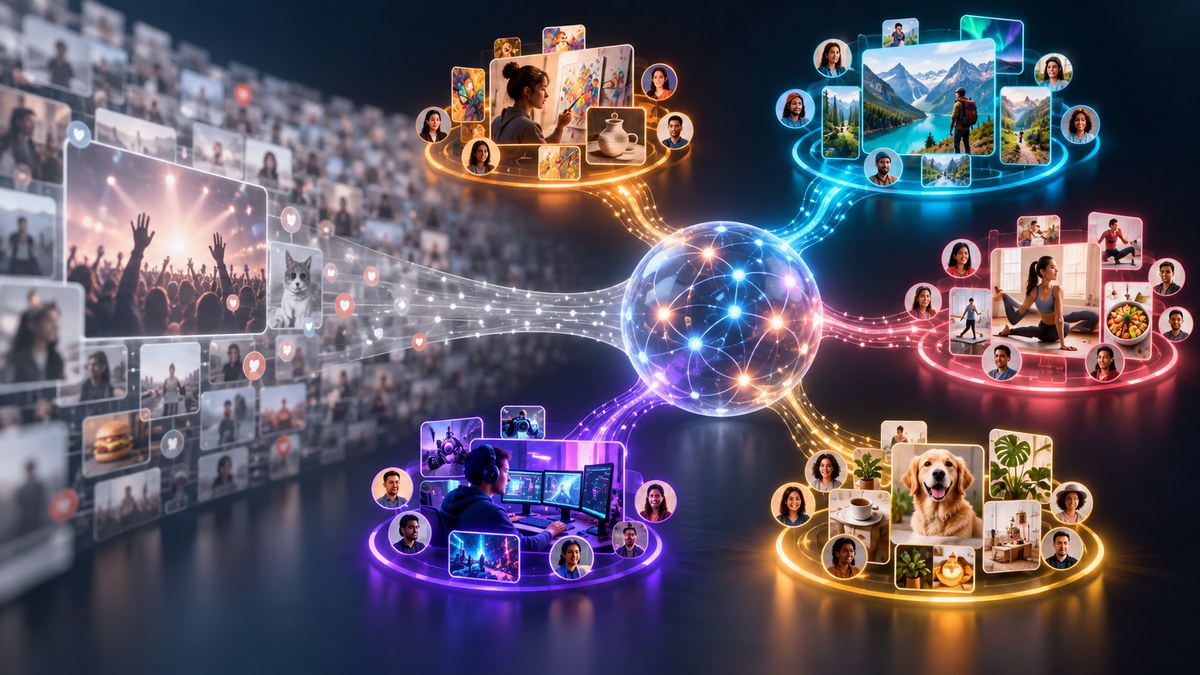
Social media algorithms in 2026 are designed to prioritize content from creators who generate conversation, not just views. Platforms like Instagram and TikTok now show posts from accounts that users actively engage with, not just accounts with large followings. This change directly benefits micro-influencers.
A celebrity post might get shown to a million people, but if only a small percentage interact with it, the algorithm stops pushing it. A micro-influencer post with a high interaction rate gets shown to a higher percentage of their audience, and even gets recommended to new users who share similar interests. This is why we are seeing why social media algorithms are pushing niche content over viral hits in 2026.
If you want to understand this mechanism better, reading about mastering social media algorithms to boost your engagement will help you align your strategy with how platforms actually work.
Budget allocation: a practical framework
Let us talk about money. A common question from marketing managers is: how do I split my influencer budget? Here is a simple framework based on 2026 benchmarks.
Assume a total influencer budget of $50,000 for a three-month campaign.
- 70% to micro-influencers (5k to 50k followers). This gets you 15 to 20 creators. You pay each between $500 and $2,000 per month depending on their niche and engagement.
- 20% to mid-tier influencers (50k to 500k followers). Use these for broader awareness. Two or three creators at $3,000 to $5,000 each.
- 10% to one celebrity or macro-influencer. Use this for a single high-impact moment, like a product launch day.
This split maximizes your ROI. The micro-influencers drive conversions. The mid-tier creators build brand familiarity. The celebrity creates a spike in visibility.
Why celebrity endorsements are not dead
To be fair, celebrities still have a place. If your goal is to announce a major partnership or generate press coverage, a celebrity name carries weight. The mistake is using them as your primary conversion driver.
Think of celebrities as the megaphone. Micro-influencers are the conversation. You need both at different stages of the funnel. But in 2026, the conversation is what closes the sale.
For example, a major athletic brand might sign a famous soccer player for a Super Bowl ad, but their year-round strategy relies on 50 running coaches and yoga instructors who post daily. The celebrity gets the headlines. The micro-influencers get the sales.
Measuring what actually matters
Vanity metrics like total impressions are misleading. In 2026, savvy marketers track these four numbers:
- Engagement rate by post. Not just average, but per piece of content.
- Comment sentiment. Are people asking where to buy? Or are they just saying “nice photo”?
- Direct message volume. Micro-influencer audiences often DM the creator for recommendations. Track that.
- Promo code usage. This is the most direct link between a post and a purchase.
If you want to go deeper into measurement, our post on how to use social media analytics to predict trends before they go viral in 2026 offers a step-by-step approach.
Building a roster that lasts
The best micro-influencer relationships are not transactional. They are partnerships. Here are the qualities to look for when building your roster:
- Consistent posting schedule. You want someone who treats content creation like a job.
- Clear values that align with your brand. A vegan skincare brand should not partner with a creator who promotes fast fashion.
- Willingness to give honest feedback. The best partners will tell you if your product needs improvement.
- A community that talks back. Look for creators who ask questions in their captions and reply to comments.
Building these relationships takes time, but the payoff is a group of advocates who will stick with your brand through product changes and market shifts. For more on this, see our guide on 5 strategies for building a social media community that supports your brand in 2026.
A final look at the data
Let us summarize the key differences in a simple table.
| Metric | Micro-influencer (5k to 50k) | Celebrity (1M+) |
|---|---|---|
| Average engagement rate | 5.8% | 1.2% |
| Cost per click | $0.28 | $0.75 |
| Trust score (surveyed) | 72% recommend | 34% recommend |
| Average comment depth | 12 replies per post | 2 replies per post |
| Conversion rate | 3.5% | 0.8% |
These numbers come from aggregated 2026 campaign data across multiple industries. They represent the new baseline.
Your next move
If you are still allocating most of your budget to celebrity endorsements, you are leaving money on the table. Start small. Pick one product line. Find five micro-influencers in your niche. Run a one-month test. Track everything. Compare the results to your previous campaigns.
The shift toward micro-influencers is not a passing phase. It is a response to how audiences want to be marketed to in 2026. They want real people. They want honest opinions. They want to feel like they are part of a community, not just a target demographic.
The brands that understand this will build lasting loyalty. The ones that do not will keep chasing impressions that never convert.
Now go find your next great brand advocate. They are already out there, posting to a small but devoted audience, waiting for the right partner.