<Social Media Trends 2026: How Algorithm Transparency is Changing the Game
Social media in 2026 looks nothing like it did five years ago. Platforms are under pressure to explain how their feeds work. Users are demanding clarity on why they see what they see. And for the first time, many networks are showing their algorithmic cards. This shift toward openness is reshaping how brands connect with audiences. If you plan to stay competitive this year, understanding these changes is not optional. It is essential for survival.
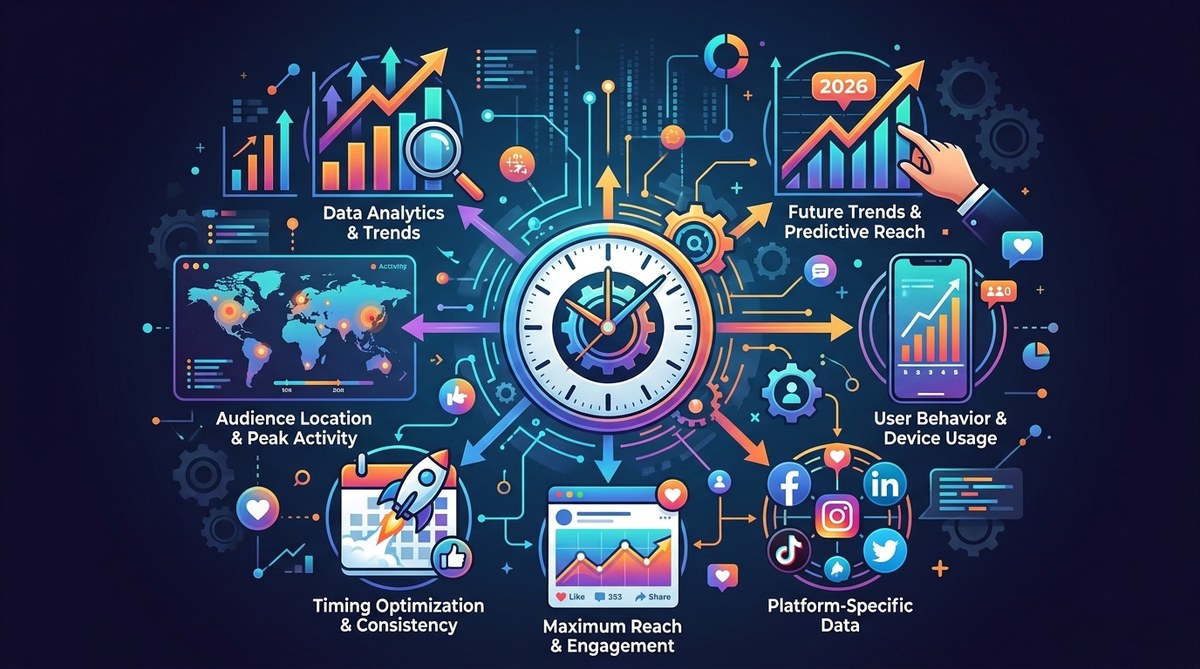
Algorithm transparency is the defining social media trend of 2026. As platforms reveal how content gets ranked, marketers must pivot to trust based strategies. Focus on authentic community building, clear data usage, and ethical AI. Brands that embrace openness will earn higher engagement and loyalty from skeptical audiences this year.
Why Algorithm Transparency Is the Most Important Shift in 2026
For years, algorithms were black boxes. You posted, the platform decided, and you prayed for reach. That era is ending. In 2026, regulations like the EU’s Digital Services Act and similar US state laws are forcing platforms to disclose ranking factors. Instagram, TikTok, and YouTube now offer “Why you’re seeing this post” explanations. Some even let users tweak their algorithm’s influence on their feed.
This is a big deal for marketers. When people understand how your content gets surfaced, they trust the system more. And trust leads to action. A recent study from Edelman shows that 81% of consumers need to trust a brand before buying. Transparency is the bridge to that trust.
If you want a deeper breakdown of why this matters and how it works, read our guide on why algorithm transparency is the next big social media trend in 2026. It covers the mechanics and strategy behind the shift.
The Other Social Media Trends You Need to Know in 2026
Transparency is not the only trend shaping this year. Here are four other movements that will define your strategy:
-
AI independence with ethical guardrails. Every platform now offers AI tools for content creation. But marketers who rely solely on automation lose authenticity. The winners use AI to scale, not to replace human voice.
-
Social search overtakes Google for product discovery. TikTok and Instagram are becoming the first stop for people looking for recommendations. Optimizing your content for search on these platforms is now as important as traditional SEO.
-
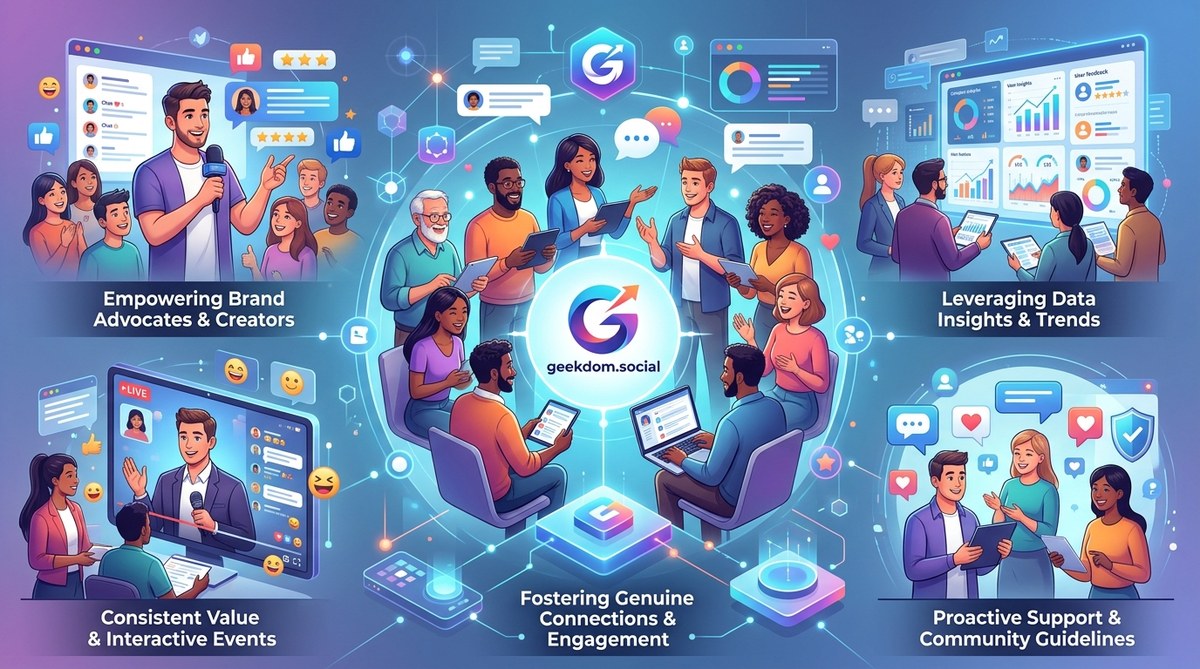
Community first content. Broadcast style posting is dead. Niche communities on Discord, Circle, and even LinkedIn groups drive more meaningful engagement than follower counts. Brands that participate in conversations, not just monologues, win.
-
Creator economy maturation. Influencer marketing is shifting from one off posts to long term partnerships. Audiences can spot a paid promotion from a mile away. Authentic collaborations where creators have genuine product love outperform scripted ads.
Practical Steps to Adapt Your Strategy for 2026
You cannot just read about these trends. You need to act. Here is a numbered list of actions you can take this quarter:
-
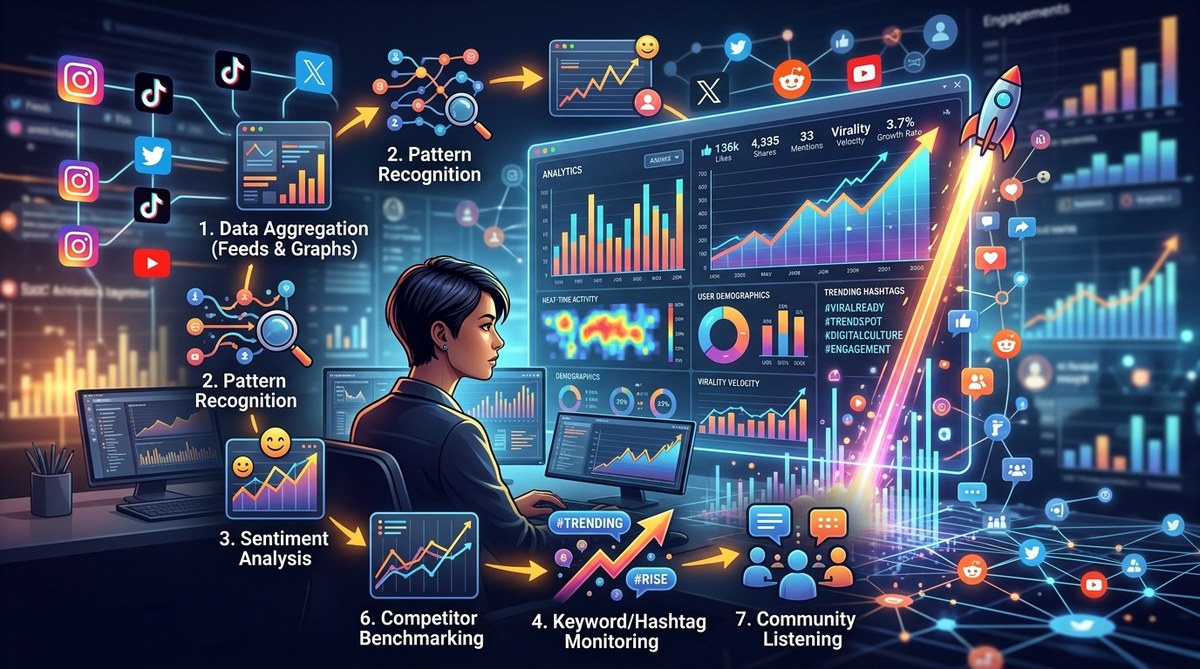
Audit your content’s current algorithm performance. Use platform analytics to see which posts get recommended versus which get shown to followers only. Look for patterns in what the algorithm rewards.
-
Update your content with search intent in mind. Write captions that answer real questions people ask about your niche. Use keyword research tools designed for social platforms.
-
Join three niche communities relevant to your industry. Do not post links. Engage genuinely. Become a helpful presence before you pitch anything.
-
Review your influencer partnerships. Shift from short campaigns to 6 month ambassadorships. Give creators creative freedom and align incentives with long term brand lift.
-
Prepare a transparency statement for your audience. Explain how you use AI in your content creation. Share your brand’s data collection practices. This builds the trust that algorithms now prioritize.
Common Mistakes Marketers Make with Algorithm Transparency
Many brands think transparency means sharing everything. That is not true. You need to balance openness with simplicity. The table below shows what to do and what to avoid.
| Do This | Avoid This |
|---|---|
| Explain ranking signals in simple language | Burying explanations in jargon |
| Let users adjust their content preferences | Forcing a one size fits all feed |
| Disclose AI use in content creation | Hiding automation behind human faces |
| Build community feedback loops | Ignoring comments and complaints |
| Test transparent features on one platform first | Rolling out a complex policy everywhere |
Expert Advice on Navigating 2026 Trends
“The brands that will win in 2026 are the ones that treat their audience like partners, not targets. Algorithm transparency is the final push from platforms to make authenticity a requirement. If your content strategy does not start with genuine value, no amount of algorithmic manipulation can save it.”
— Jamie Russo, Head of Social Strategy at Lumen Agency
This quote highlights a critical point. Transparency is not just a compliance checkbox. It is a strategic lever. When you align your brand’s behavior with the platform’s new rules, you build a moat that competitors cannot copy.
How to Build a 2026 Social Media Workflow That Works
You need a system to manage these changes without getting overwhelmed. Here is a bulleted list of components your workflow should include:
- Weekly trust audits: check that every post could be explained to an average user
- A keyword discovery routine for each platform you use
- Community interaction blocks on your calendar (at least 30 minutes per day)
- Monthly partnership health checks with creators
- A simple dashboard for transparency metrics like comment sentiment and share of voice in niche groups
This workflow keeps you focused on the trends that matter. It stops you from chasing every shiny new feature.
Your Next Move in a More Transparent Social Era
The social media landscape of 2026 rewards clarity. Algorithms are finally opening up. Users are smarter about how they consume content. And marketers who embrace this shift will find a direct line to loyal audiences.
Start small. Pick one platform where you can test a transparent approach. Write a post that explains why your content shows up in feeds. Ask your audience what they want to see less of. Then iterate based on their feedback.
You do not need to overhaul everything overnight. But you do need to start. The brands that wait for a perfect plan will fall behind. Those that take imperfect action today will define the next wave of social media success.
For more insights on building digital communities that thrive in this new environment, check out our guide on building thriving online communities in the digital age. It pairs perfectly with the transparency trend we discussed here.