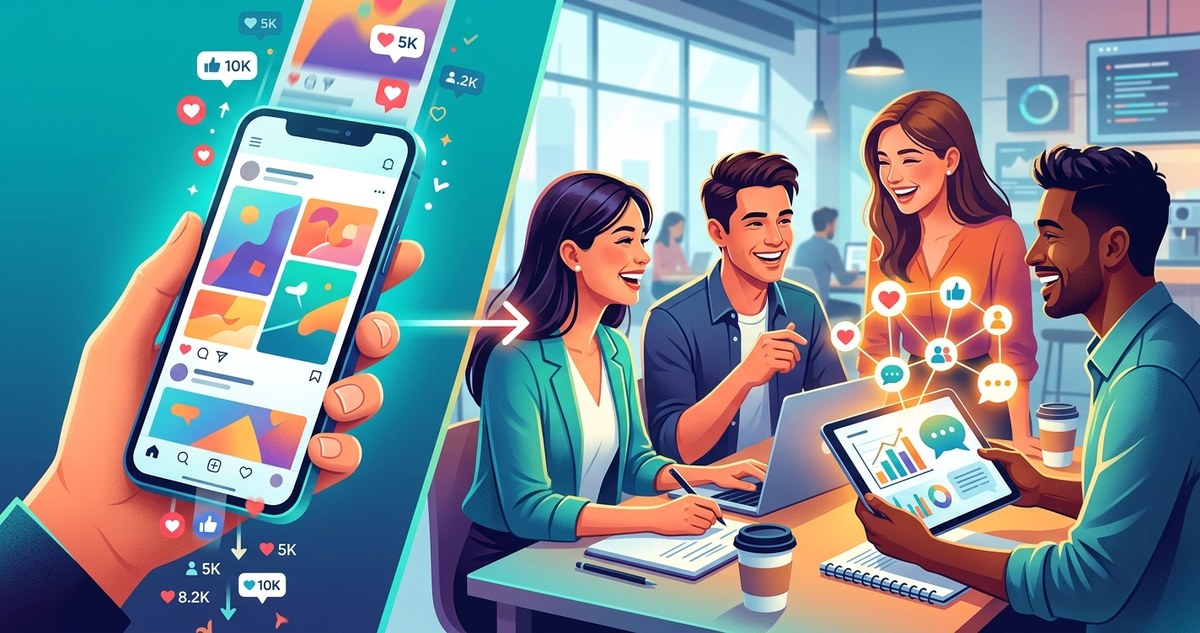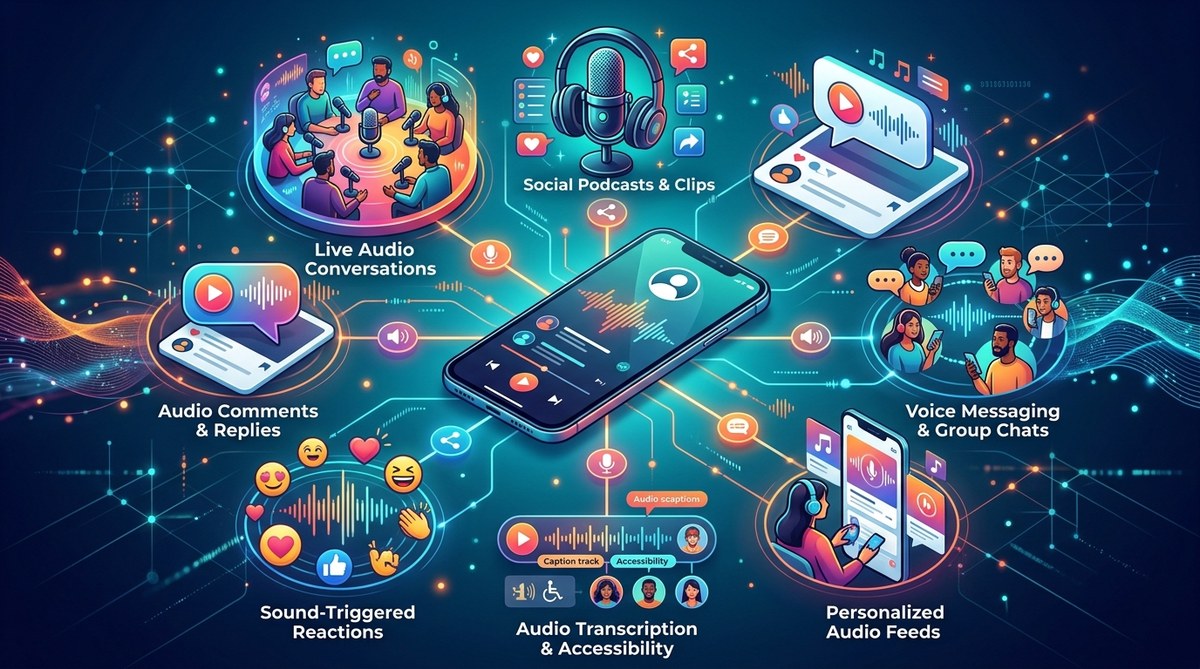
Social media feeds are flooded with video and text. But there is a quieter revolution happening. Audio content is quietly reshaping how audiences connect, respond, and stay loyal. In 2026, people are craving deeper, less demanding ways to engage. They listen while commuting, cooking, or winding down. Brands that use audio well see higher retention, more authentic comments, and a stronger sense of community. Let’s look at seven unexpected ways audio content is boosting social media engagement right now.
Audio content builds trust and intimacy that text and video often miss. From voice notes to live audio rooms, brands are seeing higher comment rates and longer dwell time. The key is to use audio for genuine conversation, not broadcast. When you pair audio with targeted social strategies, engagement grows naturally and sustainably.
Why Audio Content Drives Real Interaction
Humans are wired for voice. A voice carries emotion, tone, and presence in ways text cannot. Social media platforms like Instagram, X, and TikTok now prioritize audio features. Spaces, voice tweets, and sound clips give users a reason to stop scrolling and actually listen. This deeper attention leads to more meaningful interactions.
For social media managers and creators, audio is a low cost, high impact tool. You do not need a studio. A decent microphone and a quiet room are enough. The authenticity of a slightly imperfect voice note can feel more real than a polished video. Listeners often respond with longer comments, shares, and even their own audio replies.
The Unexpected Ways Audio Reshapes Engagement
1. Voice Notes Create Conversation Loops
Voice notes are not just for DMs anymore. Brands now post voice snippets as standalone posts or in Stories. When you ask a question and genuinely want a reply, a voice note invites a vocal response. This creates a loop where followers feel personally invited to talk back. One fashion brand saw a 40% increase in comment length after replacing text prompts with voice notes.
2. Live Audio Rooms Build Real Time Community
Clubhouse started the trend, but now every major platform has a live audio feature. Brands use them for Q&As, product feedback sessions, and casual hangouts. The absence of video lowers the barrier for participation. People who would never appear on camera are happy to speak. These rooms generate high engagement during the live session and continue to drive comments and shares afterward. If you are building a community from scratch, audio rooms are a powerful way to establish trust. Learn more about
3. Podcast Snippets Fuel Social Shares
Podcast episodes are long, but social media loves short clips. A 60 second audio clip from your latest episode can spark conversations across platforms. Share it with a simple question: “What do you think about this take?” The clip gives context without requiring full commitment. People comment more when they feel they can catch up quickly. This strategy is especially effective for niche topics where listeners already care.
4. Audio Comments and Replies Increase Authenticity
Some platforms now let users reply with audio recordings. When a brand responds to a customer question with a voice comment, it humanizes the interaction. The customer feels heard, not just answered. Over time, this builds a culture where users start replying to each other with audio. The engagement becomes richer and more personal.
5. Background Audio in Stories Holds Attention
Stories with a carefully chosen background audio track or your own voiceover keep viewers watching longer. The audio signals that something is happening. Even if the visual is simple, a voice explaining a concept or telling a story reduces the chance of a skip. According to recent platform data, Stories with original voiceover have a 25% higher completion rate.
6. Audio Only Spaces for Deep Focus
Some creators now host “listen only” sessions where the host talks and the audience listens without visual distractions. These are popular for meditation, storytelling, or educational deep dives. The lack of visual elements forces listeners to focus on the message. Engagement in these sessions often takes the form of thoughtful written replies after the session ends, rather than quick emojis.
7. User Generated Audio Campaigns Drive Participation
Invite your audience to record their own audio responses to a prompt. This could be a voice review, a song cover, or a spoken story. When users create audio content for your brand, they feel ownership. The campaign generates organic reach as participants share their clips with their followers. One coffee brand ran a “sound of your morning” campaign and collected over 2,000 voice submissions in a week. Engagement on those posts was triple the average.
Setting Up an Audio Engagement Practice
If you want to start using audio content to boost social media engagement, follow this practical process.
- Choose one platform to test. Start where your audience already spends time. Instagram and X have strong audio features. TikTok’s sound library also works well.
- Define a clear goal. Do you want more comments? Longer watch time? Community replies? Pick one metric.
- Create a 30 second voice note. Introduce a topic, ask a question, and invite replies. Post it as a standard update or story.
- Respond to every voice reply. Acknowledge each person with a voice note back. This encourages others to join.
- Repurpose audio into clips. Pull the best moments from live rooms or podcasts. Turn them into short posts with a simple visual.
- Track your results. Compare engagement rates between audio posts and text or video posts. Adjust your format based on what works.
- Repeat and refine. Make audio a regular part of your content mix. Over time, your audience will expect and welcome the format.
Techniques and Mistakes at a Glance
| Technique | What to Do | Common Mistake |
|---|---|---|
| Voice notes | Keep them under 60 seconds, speak naturally, ask for a reply | Using a scripted, corporate tone that sounds robotic |
| Live audio rooms | Invite guests, prepare a loose agenda, encourage audience mics | Letting one person dominate the conversation |
| Podcast clips | Crop to the most interesting 30 60 seconds, add a caption | Posting a long clip without context or a clear question |
| Audio comments | Reply with voice when the question is emotional or personal | Using audio for simple factual answers where text works better |
| Background audio | Choose music that matches the mood, keep volume even | Picking a song with distracting lyrics or abrupt changes |
| User generated campaigns | Provide a clear prompt and a simple way to submit | Making the submission process too complicated or time consuming |
| Audio only spaces | Set a timer, clearly state the rules, moderate gently | Allowing the session to drift without a central theme |
Expert Advice on Audio Engagement
“The biggest shift I see is that audio removes the pressure to be perfect. When people hear a real voice with a slight hesitation or a laugh, they trust the speaker more. Trust drives engagement better than any polished video ever could.”
* Maya Rodriguez, social media strategist and author of Voice First: The Audio Revolution
Rodriguez recommends that brands stop trying to sound like radio hosts. Instead, speak as you would to a friend. That genuine tone invites listeners to respond in kind.
Practical Benefits to Keep in Mind
- Audio content is cheaper to produce than video.
- It works well for multitaskers who listen while doing other things.
- Voice based replies feel more personal, leading to higher quality feedback.
- Audio can be repurposed across multiple platforms with minimal editing.
- It helps introverted community members participate without being on camera.
Making Audio a Core Part of Your Social Strategy
Audio content is not a passing trend. In 2026, social media platforms continue to invest in audio features because they drive real, measurable engagement. For social media managers and content creators, this is an opportunity to stand out. Most brands still rely heavily on visuals. By adding audio, you differentiate yourself and create a more intimate connection with your audience.
Start small. Post a single voice note this week. See how people respond. Then build from there. As you become more comfortable, explore live rooms, podcast clips, and user generated campaigns. Each format reinforces the same core idea: people crave human connection, and voice is the most direct path to it.
If you want to understand how platforms are changing their algorithms to reward audio content, check out our guide on And for a broader look at where digital communities are heading, read about
Audio is not just about hearing. It is about being heard. When you use audio well, your audience feels heard, and they keep coming back to listen.