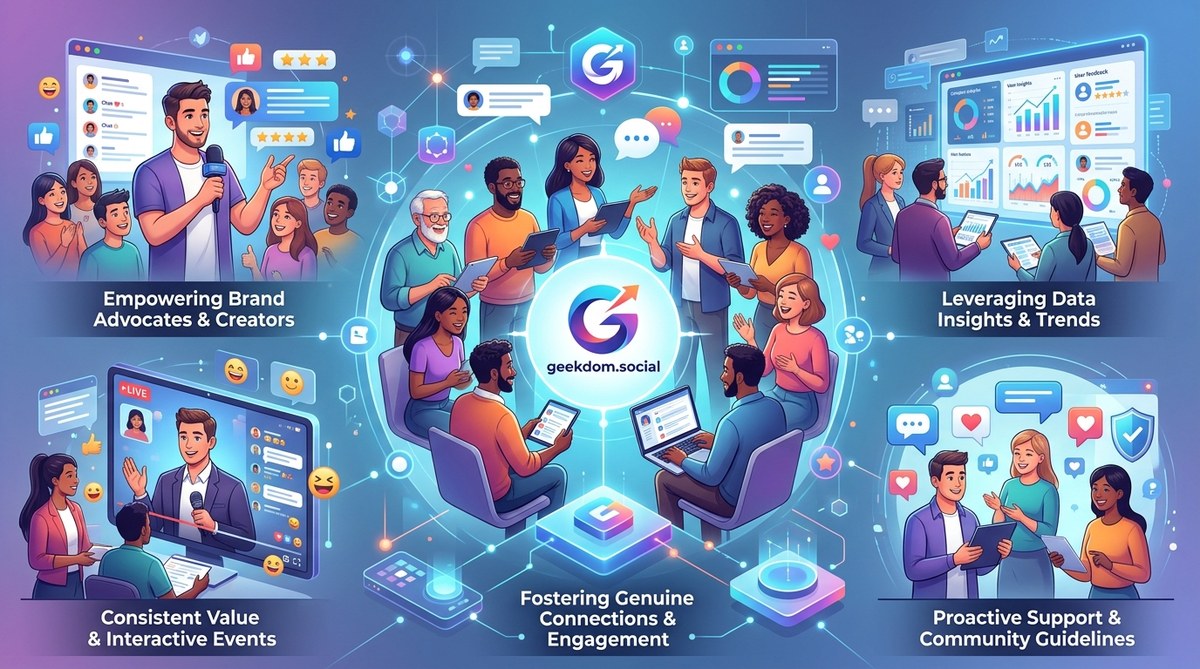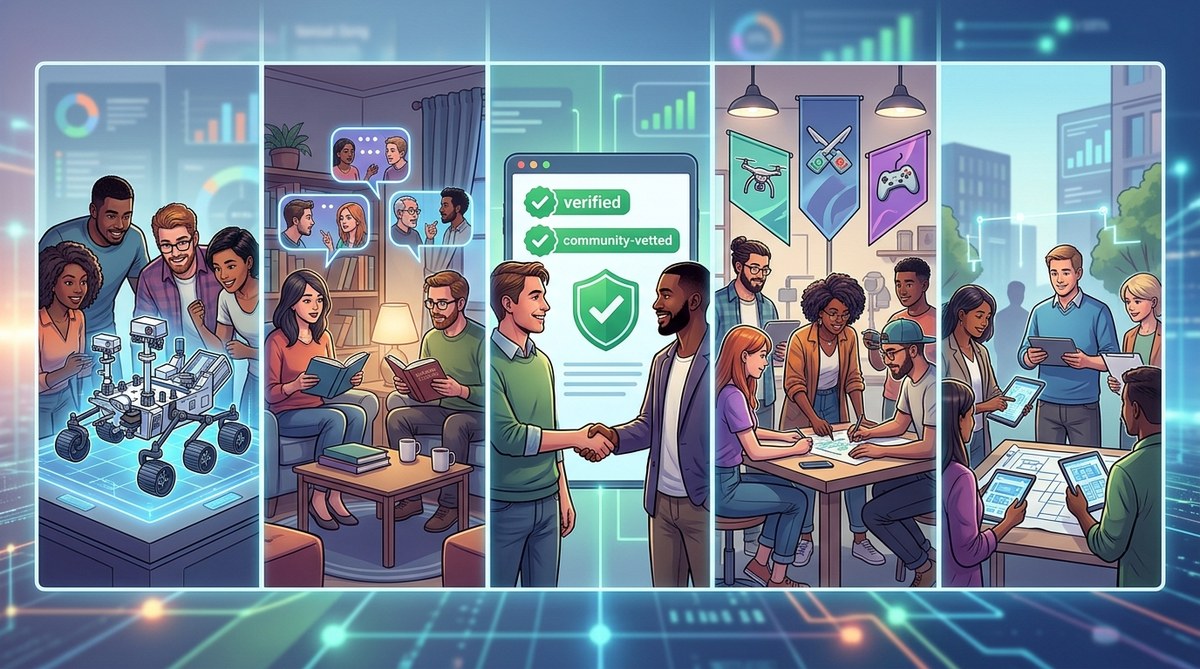
For years, the playbook was simple. Build a big audience on a big platform, post constantly, and hope the algorithm smiled on you. But something shifted. In 2026, the loudest rooms on the internet feel hollow. The feeds are full, but the connections are empty. Meanwhile, smaller, focused communities are quietly crushing it. They are not just surviving. They are outperforming mainstream social platforms in engagement, loyalty, and even revenue. If you are a digital marketer, startup founder, or strategist tired of fighting for scraps on crowded networks, this shift matters to you.
Niche communities win because they prioritize depth over breadth. They trade massive reach for meaningful interaction, which leads to higher conversion rates and stronger brand loyalty. By focusing on shared interests and authentic participation, these spaces create real value that mainstream platforms struggle to replicate. For marketers, the opportunity is clear: stop chasing vanity metrics and start building where attention is genuine.
Why Small Rooms Beat Big Stages
Mainstream platforms are designed for one thing: keeping you scrolling. Their business model depends on maximizing time on site, which means they serve content designed to provoke, distract, and entertain. That works great for advertisers buying reach. It works terribly for brands trying to build trust.
Niche communities flip the script. They are built around a shared passion, profession, or problem. When someone joins a community for indie game developers or vintage camera collectors, they come with intent. They are not passively killing time. They are looking to learn, share, and connect. That intent changes everything.
Consider this. A post in a Facebook group for SaaS founders might get 50 comments, but each one is from someone who actually runs a SaaS company. The same post on a mainstream platform might get 500 likes from people who just thought the graphic looked cool. Which audience is more valuable? The answer is obvious.
The Five Unexpected Ways Niche Communities Win
Here are the concrete ways these focused spaces are outperforming the giants in 2026.
1. Higher Conversion Rates Through Trust
In a niche community, authority is earned. You cannot buy followers or boost posts into relevance. You have to show up, answer questions, and share real expertise. When you do, the trust you build is deep.
A brand selling ergonomic keyboards for programmers will get better results in a subreddit for developers than in a Facebook ad campaign targeting “tech enthusiasts.” Why? Because the subreddit audience already self-identifies as developers. They trust recommendations from fellow members. A single genuine post can drive more sales than a thousand dollars in paid ads.
2. Better Feedback Loops
Mainstream platforms give you likes and shares. Niche communities give you raw, unfiltered feedback. If your product has a flaw, people will tell you. If your content is off, they will let you know. That honesty is gold.
Startups that participate in niche communities often find their best product ideas come from forum threads. One founder I know completely redesigned her onboarding flow based on a single conversation in a Slack group for female founders. She never would have gotten that insight from an Instagram poll.
3. Lower Customer Acquisition Costs
This one surprises a lot of people. You would think that casting a wide net on a big platform would be cheaper. In reality, the cost of acquiring a customer through a niche community is often much lower.
Here is a simple comparison:
| Strategy | Reach | Engagement Quality | Cost Per Action | Trust Level |
|---|---|---|---|---|
| Mainstream platform ad | High | Low | Medium to High | Low |
| Niche community participation | Low | High | Low (time investment) | High |
| Influencer partnership | Medium | Medium | High | Medium |
| Niche community sponsorship | Targeted | Very High | Medium | Very High |
The key insight is that while mainstream ads give you reach, they rarely give you recall. A person who sees your brand in a niche community already has context. They understand why you exist. That reduces the friction to conversion significantly.
4. Algorithm Independence
This is the biggest advantage in 2026. Mainstream platforms change their algorithms constantly. What worked last month might tank your reach today. Niche communities, especially those built on platforms like Discord, private forums, or Slack, do not have algorithms deciding who sees your content.
When you post in a niche community, your message reaches the people who opted in to hear it. There is no shadowbanning. No mysterious reach drop. No pay-to-play pressure. For a small business or startup, that stability is worth its weight in gold.
5. Co-Creation and Loyalty
Niche communities do not just consume content. They help create it. Members suggest features, share user-generated content, and defend the brand against critics. This co-creation builds fierce loyalty.
Think about the difference between a customer who bought from a Facebook ad and a customer who helped name your new product feature in a community poll. The second customer is now emotionally invested. They will advocate for you. They will forgive mistakes. They will stick around.
How to Build Your Niche Community Strategy
If you are convinced that niche communities are the way forward, here is a practical three-step process to get started.
-
Identify where your ideal users already hang out. Do not guess. Use social listening tools or simply search for your industry keywords on Reddit, Discord server directories, and specialized forums. Look for communities that are active, not just large. A group of 500 people who post daily is worth more than 5,000 members who never speak.
-
Listen before you speak. Spend at least two weeks reading the conversations. Understand the tone, the inside jokes, the common frustrations. Notice what questions get asked repeatedly. This is your content goldmine. When you finally post, you will sound like a local, not a tourist.
-
Add value without selling. This is the hardest part for marketers. Your first ten contributions should give, not take. Answer a question. Share a resource. Offer a template. Build your reputation first. Only after you have established yourself should you gently mention your product or service. And even then, frame it as a solution to a problem the community has already identified.
“The best marketing in niche communities looks like helping. If your first post is a link to your landing page, you have already lost. Be useful first, and the business will follow.” — Sarah Chen, community strategist at a B2B SaaS company.
Common Mistakes to Avoid
Even with the best intentions, brands mess this up. Here are the top pitfalls and how to sidestep them.
-
Treating the community as a billboard. If every post you make is promotional, people will tune you out or, worse, get the moderators to ban you. Aim for a 90/10 ratio of value to promotion.
-
Ignoring community norms. Every community has rules. Some allow self-promotion in a specific thread. Others ban it entirely. Read the rules. Respect them.
-
Expecting instant results. Building trust in a niche community takes time. You will not see a return in a week. Think in terms of months. The payoff is slower, but it compounds.
-
Using the same content everywhere. What works on LinkedIn will not work in a niche forum. Tailor your message to the specific audience. Speak their language. Reference their inside jokes.
Measuring Success in Niche Communities
You cannot use the same metrics you use for mainstream platforms. Vanity metrics like follower count and impressions are almost meaningless here. Instead, track these:
-
Quality of engagement. Are people asking follow-up questions? Are they tagging others to see your response? That signals deep value.
-
Referral traffic quality. Use UTM parameters to track visitors from niche communities. Look at time on site and pages per session. If these numbers are higher than your average, you are attracting the right people.
-
Community sentiment. Are people mentioning your brand positively in discussions? Are they defending you when someone criticizes you? That is a leading indicator of loyalty.
-
Direct conversions. Track coupon codes or dedicated landing pages for each community. This gives you clear attribution without being intrusive.
For a deeper look at how to track these signals effectively, check out our guide on how to master the art of social listening in 2026. It covers tools and techniques for capturing the conversations that matter.
The Future Belongs to the Focused
The era of spray-and-pray social media marketing is ending. Audiences are smarter. They are tired of noise. They are retreating to spaces where they feel understood. For brands, this is not a threat. It is an invitation.
Niche communities are outperforming mainstream social platforms because they offer something the giants cannot: genuine human connection. They reward expertise over volume. They value participation over passive consumption. And they turn customers into collaborators.
If you are still pouring your budget into boosting posts on crowded platforms, take a moment to reconsider. The smallest room in the house might be the one where the best conversations happen. Go find your room. Show up consistently. Add real value. The results will speak for themselves.
For more on this shift, read about why your brand needs a niche social network strategy in 2026 and how to build a thriving social media community from scratch in 2026.