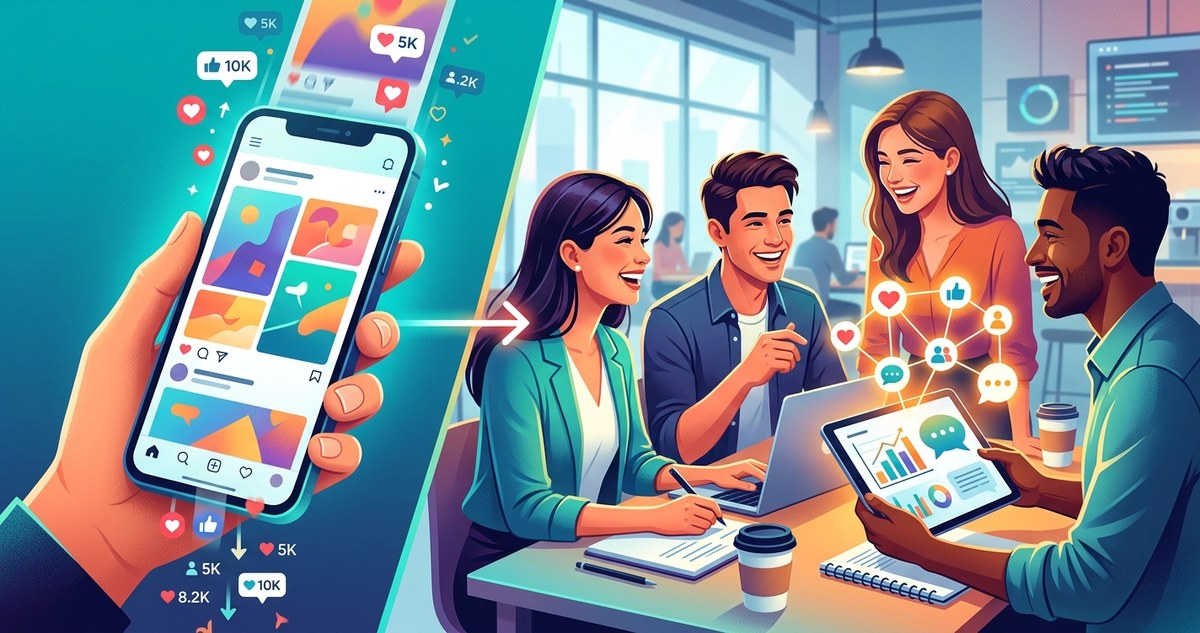
Every platform you open now looks like TikTok. Instagram shows you Reels before photos. YouTube pushes Shorts in your feed. Even LinkedIn has a dedicated video tab. This is not a coincidence. The reason social media platforms are copying TikTok comes down to one thing: user attention. TikTok proved that short-form vertical video keeps people scrolling longer than any other format. And longer scroll time means more ad revenue. For creators, this shift changes everything. The rules you learned for growing an audience on Instagram or YouTube no longer apply the same way. Understanding why every app is chasing the TikTok formula will help you adapt your strategy and keep your growth on track.
Social media platforms copying TikTok means creators now compete in a video-first ecosystem across every app. To succeed in 2026, you need to tailor content for each platform’s unique algorithm, prioritize retention metrics over vanity counts, and repurpose long-form material into short clips. Understanding these shifts helps you avoid wasted effort and grow real audience loyalty.
Why Every Platform Wants the Same Look and Feel
TikTok did not invent short video. Vine did that years earlier. But TikTok perfected the algorithm that feeds users exactly what they want to watch. When Instagram saw TikTok’s growth, it introduced Reels. YouTube followed with Shorts. Snapchat added Spotlight. Even Pinterest and Reddit now have full-screen video feeds. The trend of social media platforms copying TikTok is not about aesthetics. It is about data. TikTok’s algorithm learns user preferences faster than any competitor, which keeps people on the app for an average of 95 minutes per day. Other platforms want that same engagement.
The result is a homogenized experience. You can scroll through Instagram, Facebook, and YouTube and see almost identical interfaces. The feed is full-screen. The sound is on by default. The content is vertical. The recommendation engine pushes viral videos over posts from accounts you follow. For creators, this means you cannot just post the same video everywhere and expect success. Each platform still has its own algorithm quirks, and understanding those differences is the difference between growth and stagnation.
How the Algorithm Shift Affects Your Content Strategy
When social media platforms copying TikTok, they also copy the way TikTok ranks content. The old Instagram algorithm favored recency and follower engagement. The new algorithm prioritizes watch time, completion rate, and rewatch rate. If someone watches your Reel all the way through, the platform shows it to more people. If they skip it after two seconds, your reach drops.
This changes how you plan your content. A photo carousel that used to get strong engagement may now get buried. A 15-second Reel with a hook in the first second will outperform a polished 60-second video that takes time to build. You need to think like a TikTok creator even if you are posting on other platforms.
Here are three practical steps to adjust your workflow:
- Lead with the hook. The first two seconds must tell the viewer why they should keep watching. Use text overlays, a surprising visual, or a direct question. Do not save the best part for the end.
- Optimize for silent viewing. Many users watch without sound. Add captions and on-screen text that explain the story without audio.
- Track completion rate over likes. Look at your analytics for average watch time and video completion percentage. If people drop off early, tighten your editing. If they rewatch specific sections, make more content like that.
What Works on Each Platform in 2026
Not all short-form video features behave the same way. Social media platforms copying TikTok does not mean they copied the algorithm exactly. Each platform has unique strengths and weaknesses. Understanding these helps you decide where to focus your energy.
| Platform | Video Feature | Algorithm Priority | Best Content Length | Common Mistake |
|---|---|---|---|---|
| Reels | Shares and saves over likes | 15 to 30 seconds | Posting static photos without video | |
| YouTube | Shorts | Watch time and session duration | Under 60 seconds | Treating Shorts like regular YouTube videos |
| Reels (cross-posted) | Engagement from friends and groups | 15 to 45 seconds | Ignoring text overlays for silent viewers | |
| Snapchat | Spotlight | Completion rate and uniqueness | 5 to 30 seconds | Reusing TikTok clips without editing |
| Video tab | Professional relevance and comments | 30 to 90 seconds | Making content too casual or off-brand |
The table shows a clear pattern. Short content wins. But the type of engagement that matters differs. Instagram rewards shares because it wants people to send Reels to friends. YouTube rewards session duration because it wants people to stay on the platform longer. LinkedIn rewards comments because it wants professional discussion.
If you are repurposing content across platforms, adjust your call to action for each one. On Instagram, ask people to share with a friend. On YouTube, ask them to watch a related long-form video. On LinkedIn, ask a question that invites comments.
The Hidden Risk of Platform Homogenization
There is a downside to social media platforms copying TikTok. When every app looks the same, creators lose the unique value of each platform. Instagram used to be about curated photos and aesthetic grids. YouTube was about in-depth tutorials and storytelling. Now both platforms push short, viral clips that encourage passive consumption.
This shift can hurt creators who built their audience on a specific format. A photographer who posts high-quality images may see declining reach because the algorithm favors video. A podcaster who shares clips may struggle to convert Shorts viewers into full-episode listeners. The pressure to create viral moments can lead to burnout and lower content quality.
“The platforms are training users to expect instant gratification. As a creator, you have to decide whether you want to play the short-form game or build a deeper connection with a smaller audience. Both are valid, but you cannot do both without a clear strategy.” – Social media strategist and creator coach
The key is to use short-form video as a discovery tool, not your only content format. Post a Reel to bring people in, then direct them to your newsletter, podcast, or long-form YouTube video. Do not let the algorithm dictate your entire content strategy. Use it as the front door to your ecosystem.
A Practical Framework for Adapting Your Strategy
If you feel overwhelmed by the shift, start with this framework. It helps you stay consistent without chasing every trend.
- Audit your current content. Look at your last 20 posts. How many are short-form video? How many are photos, text, or links? If video makes up less than 30 percent of your posts, you are likely leaving reach on the table.
- Identify your top-performing hook. Find the video that got the most engagement. What happened in the first two seconds? Was it a question, a surprising fact, or a visual change? Replicate that hook structure in future videos.
- Create a repurposing pipeline. Record one longer video each week, like a 10-minute tutorial or discussion. Then cut that video into three to five short clips. Post the clips across Reels, Shorts, and Spotlight. This saves time and keeps your content consistent.
- Monitor algorithm updates. Platforms change their ranking signals every few months. Follow official creator accounts and industry newsletters to stay informed. Adjust your strategy when you see shifts in what gets recommended.
What This Means for Your Audience Growth
Social media platforms copying TikTok has made it easier for new creators to get discovered. The algorithm does not care about your follower count as much as it used to. A creator with 100 followers can get millions of views if the video resonates. This levels the playing field in a way that did not exist five years ago.
But it also means your audience is less loyal. Users scroll through Reels and Shorts with a thumb ready to swipe away. You have to earn their attention every single time. Building a community requires more than viral views. You need to move your audience from passive consumption to active engagement. Encourage them to comment, join your email list, or follow you on a platform where you control the relationship.
For more on how to build that deeper connection, read our guide on It covers strategies for turning casual viewers into loyal community members.
How to Future-Proof Your Content in a Copycat Era
The trend of social media platforms copying TikTok will not stop soon. Expect more features like TikTok’s editing tools, sound libraries, and duet capabilities to appear on other apps. The platforms are competing for the same creator talent and the same user attention. Your job is to stay flexible.
Focus on skills that transfer across platforms. Learn how to write strong hooks. Learn how to edit fast-paced videos. Learn how to tell a story in 15 seconds. These skills will matter no matter which app dominates next year. Do not build your entire brand on one platform’s specific feature, because that feature might change or disappear.
Also pay attention to where your audience spends time. If your followers are migrating from Instagram to YouTube Shorts, follow them. If a new platform like BeReal or a decentralized alternative gains traction, test it early. The creators who adapt fastest are the ones who survive algorithm changes.
For a deeper look at how these changes affect user interaction, check out
Building a Strategy That Works Beyond the Algorithm
Social media platforms copying TikTok has created a landscape where short-form video is the default. But your strategy should not be reactive. It should be intentional. Decide what you want from each platform. Do you want brand awareness? Use Reels and Shorts for discovery. Do you want deep community? Focus on newsletters, podcasts, or private groups. Do you want direct sales? Use video to drive traffic to your website or product page.
The creators who thrive in 2026 will not be the ones who post the most Reels. They will be the ones who understand what each platform rewards and use that knowledge to serve their audience better. They will repurpose content efficiently. They will track the right metrics. And they will stay true to their own voice instead of chasing every trend.
Adapting Without Losing Your Identity
It is easy to feel like you have to become a TikTok clone to grow. But your unique perspective is what makes people care. The platforms may all look the same, but your content should not. Use the short-form format to show your personality, share your expertise, and connect with people on a human level. That is something no algorithm can replicate.
Start small. Pick one platform to optimize for short-form video this month. Test different hooks. Track your completion rates. Adjust based on what you learn. Then apply those lessons to the next platform. Over time, you will build a system that works across every app without burning out.
If you want to learn more about the broader trends shaping digital culture, read It puts these platform changes into a bigger picture of how online communities are evolving.
The only constant in social media is change. But change brings opportunity. The platforms are all chasing the same formula, but you do not have to. Understand the rules, use them to your advantage, and then break them in ways that feel true to you. That is how you grow an audience that sticks around, no matter what the next update brings.