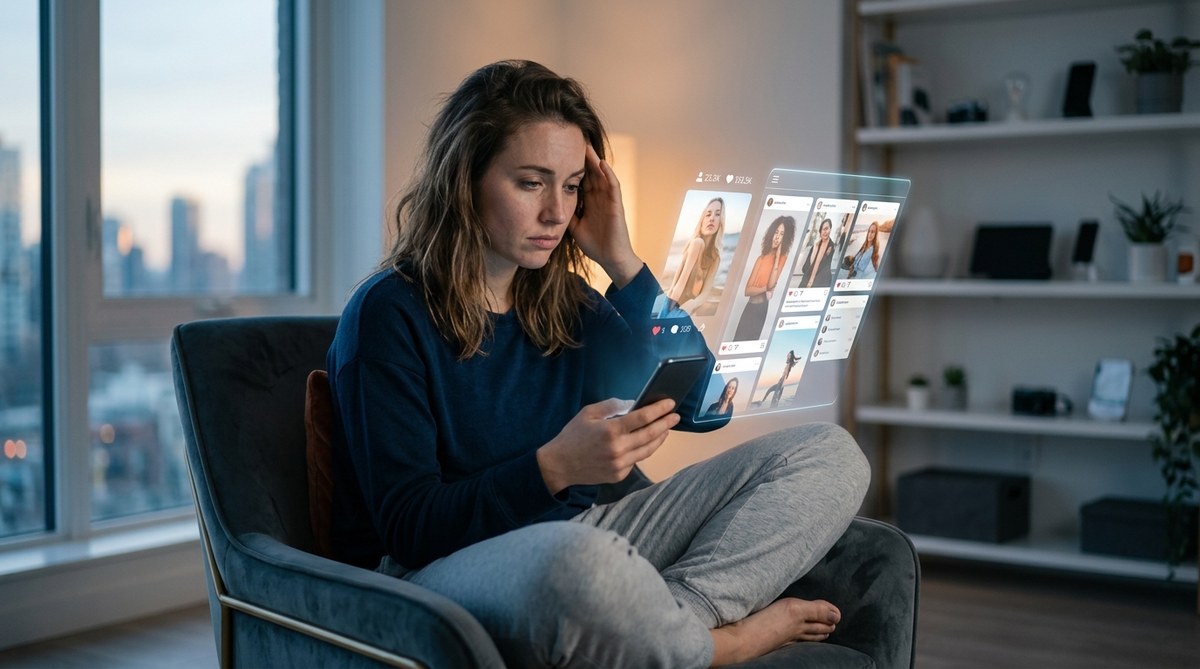
You log into your analytics dashboard expecting to see growth. Instead, you see a post that reached 15,000 people but got seven likes. That ratio feels wrong. Your content is solid. Your timing is on point. So what is happening?
The problem might not be your strategy. It might be your audience. Buried inside your follower count are accounts that do nothing. They never like, comment, share, or click. They just exist. These are zombie accounts, and they are quietly dragging down every metric you care about.
Zombie accounts are inactive or fake profiles that inflate your follower count while destroying your engagement rate. Social media algorithms notice this. When your content fails to generate genuine interaction from a large audience, platforms stop showing it to real people. Cleaning your follower list is not vanity. It is a direct path to better organic reach.
What is a zombie account and why should you care?
A zombie account looks like a follower on paper. It might have a profile picture and a username. But it never interacts with content. Some zombie accounts are bots created by scripts. Others are real people who abandoned the platform years ago. A few are people who followed you for a giveaway and never came back.
The danger is subtle. When you have 50,000 followers but only 200 of them engage, your engagement rate sits at 0.4 percent. Most social media platforms use engagement rate as a signal. If your content does not earn reactions from your audience, the algorithm assumes it is low quality. It stops showing your posts to your existing followers, let alone new people.
Zombie accounts social media engagement is a hidden tax on your growth. Every bot or dead profile in your audience makes it harder for your real fans to see what you post.
How zombie accounts hurt your metrics in three ways
Zombie accounts do not just sit there. They actively harm your performance. Here is how.
1. They destroy your engagement rate
Engagement rate is calculated by dividing total interactions by total followers. More zombies means a bigger denominator. Your likes and comments stay the same, but your rate drops. A low engagement rate signals to the platform that your content is not connecting. Your organic reach shrinks.
2. They distort your analytics
When you review your audience data, zombie accounts skew the numbers. You might think your target demographic is 25 to 34 year old women because that is what your follower list shows. But if half of those profiles are inactive, your real audience could be completely different. You end up creating content for the wrong people.
3. They waste your ad budget
If you run paid campaigns, platforms may show your ads to zombie accounts. Those accounts never convert. Your cost per click goes up. Your return on investment goes down. You are paying to reach ghosts.
The difference between a zombie and a quiet follower
Not every inactive account is a zombie. Some real people follow brands and never interact. They scroll silently. They might click a link once a month or make a purchase after seeing ten posts.
The difference comes down to intent and capacity. A quiet follower is a real human who might convert later. A zombie account is either a bot or a profile that will never engage under any circumstances.
Here is a comparison to help you tell them apart.
| Characteristic | Zombie Account | Quiet Follower |
|---|---|---|
| Profile completeness | Often generic or stolen photo | Real photo, real bio |
| Posting history | No posts or spam only | May post rarely |
| Following ratio | Follows thousands, few followers | Balanced ratio |
| Interaction history | Zero likes or comments | Occasional engagement |
| Account age | Often very new or very old with gaps | Consistent timeline |
| Behavior pattern | No pattern, no response to content | May engage with specific topics |
How to identify zombie accounts on your profiles
You do not need expensive software to find zombie accounts. Most platforms offer basic data that reveals the truth.
Follow this process to audit your followers manually or with free tools.
- Check your last 10 posts. Write down the names of people who liked or commented. Compare those names to your total follower list. If you see the same 50 people every time, the rest are likely inactive.
- Look at your follower growth chart. A sudden spike of 2,000 followers in one day with no viral post is a red flag. Those are probably bots.
- Review your “reach per post” versus “follower count.” If your reach is consistently below 10 percent of your followers, zombies are inflating your numbers.
- Use a free audit tool. Services like Social Blade or your platform’s own insights can show you inactive follower estimates.
- Search for giveaway comments. Accounts that only comment “winner” or “pick me” on contest posts are often engagement bots.
A practical plan to clean your audience
Once you identify zombie accounts, you need to remove them. Here is a step by step approach that works across major platforms.
- Block and report obvious bots. If an account has no profile picture, a name like “User8293,” and zero posts, block it. Reporting helps the platform improve its detection.
- Remove followers who have not posted in over a year. On Instagram and X, you can manually remove followers. Focus on accounts with no activity in 2025 or earlier.
- Run a “purge post.” Share content that asks your audience to comment with an emoji or a keyword. Anyone who responds is active. Anyone who does not may be a zombie. This is not perfect, but it gives you a working list.
- Use a third party tool for large accounts. If you have over 10,000 followers, manual removal takes too long. Tools like Clean My Profile or Botometer can help identify clusters of fake accounts.
- Repeat this process every three months. Zombie accounts accumulate over time. A quarterly cleanup keeps your audience healthy.
“A smaller, engaged audience will always outperform a larger, dead one. Algorithms reward relevance, not vanity numbers. Clean your list and watch your real engagement climb.” – Social media strategist with ten years of platform experience
What happens after you remove zombies
Your follower count will drop. That feels scary. But your engagement rate will rise immediately. When you post next, the algorithm sees a higher percentage of people interacting. It rewards you with more reach.
You will also notice better quality comments and shares. Real followers feel more connected when the noise is gone. Your community becomes a place where conversations happen instead of a graveyard of forgotten profiles.
For a deeper look at how algorithms actually rank your content, check out our guide on mastering social media algorithms to boost your engagement. It explains the signals that matter most.
Mistakes to avoid during a zombie account cleanup
Cleaning your audience is good. Doing it wrong can hurt you. Watch out for these common errors.
- Removing followers who are silent but valuable. Some people follow you because they like your brand but rarely engage publicly. They might be your best customers. Do not delete them.
- Using aggressive bot detection tools. Some tools flag real accounts by mistake. Always review flagged accounts before removing them.
- Posting a “delete if you do not comment” ultimatum. This annoys real followers. It feels desperate. Instead, just remove the inactive accounts quietly.
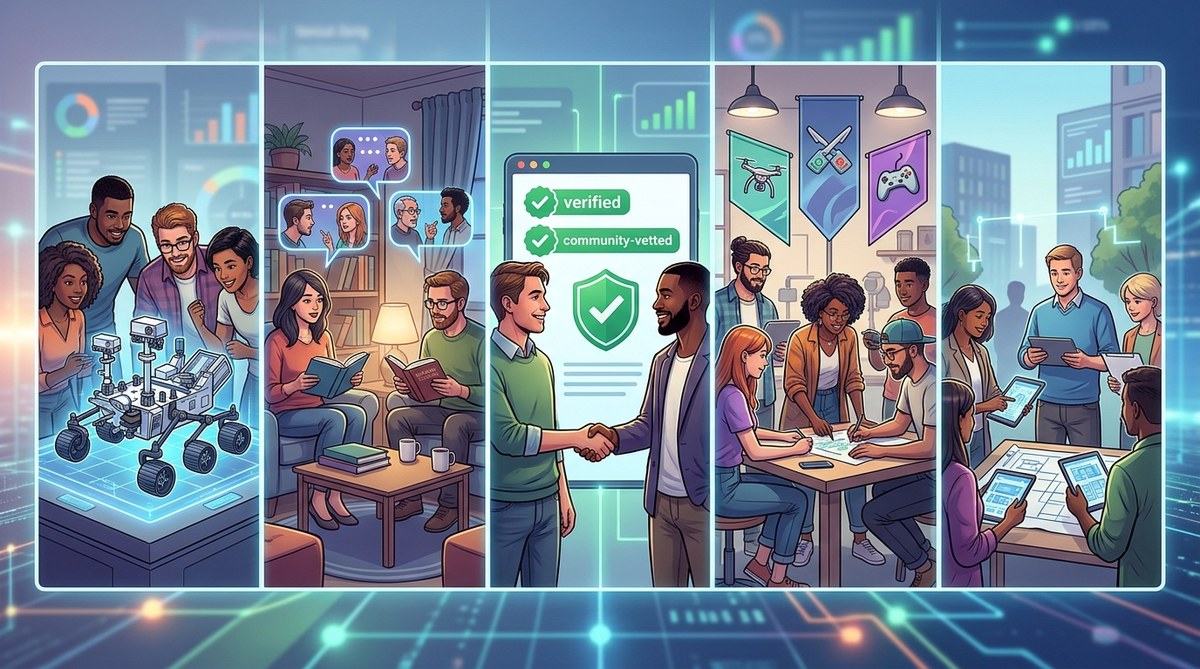
- Expecting overnight results. Cleaning your audience is the first step. You still need great content. Pair the cleanup with a focus on building thriving online communities in the digital age.
Signs your engagement metrics are already infected
You might be wondering if zombie accounts are affecting you right now. Look for these warning signs.
- Your follower count goes up every week, but your likes and comments stay flat.
- You see high impressions but very low click through rates.
- Your posts get fewer views over time even though your audience is growing.
- You run a promotion and only a tiny fraction of your followers see it.
- Your analytics show a spike in followers from a country where you have no brand presence.
If any of these sound familiar, you are dealing with zombie accounts social media engagement issues. The sooner you act, the less damage they cause.
Why this problem is worse in 2026
Bot technology gets better every year. AI generated profiles now look realistic. They have profile pictures created by generative tools. They post content scraped from other accounts. They follow real people to avoid detection.
Platforms are fighting back. Instagram and X have improved their bot detection in 2026. But the battle is ongoing. Brands that rely on follower count as a success metric are the most vulnerable. They attract bots because high follower numbers look impressive to sponsors and partners.
The solution is to shift your focus from vanity metrics to real connection. Read our thoughts on stop scrolling, start connecting: why authentic engagement beats vanity metrics in 2026 for a full breakdown.
Tools and tactics to maintain a clean audience
Once you clean your list, keep it clean. Here are habits that prevent zombie accounts from returning.
- Post content that naturally filters bots. Ask questions. Use polls. Create content that requires a real human response to engage.
- Monitor your follower growth weekly. A sudden jump of 500 followers overnight should trigger an investigation.
- Use a welcome message for new followers. Platforms like Instagram allow automated greetings. Real people respond. Bots do not.
- Review your analytics for anomalies. If your follower count spikes in a region where you do not advertise, those are likely bots.
- Partner with other brands carefully. Some growth services use bot networks to inflate numbers. Vet any collaboration partner before you agree.
For more on maintaining a healthy community, see our article on how to build a thriving social media community from scratch in 2026.
How to explain a follower drop to stakeholders
If you manage social media for a business, your boss or client might panic when they see the follower count drop. Prepare a simple explanation.
Show them the engagement rate before and after the cleanup. If you had 50,000 followers with a 0.3 percent engagement rate, and you remove 20,000 zombies, your follower count drops to 30,000 but your engagement rate jumps to 0.5 percent. That is a 66 percent improvement in the metric that actually matters.
Explain that platforms prioritize content with higher engagement rates. The same post will reach more people after the cleanup, even with fewer total followers. Real reach goes up while fake numbers go down.
Your next move
Open your analytics right now. Look at your last ten posts. Count how many unique accounts interacted. Compare that to your total follower count. If the number is below 5 percent, you have a zombie problem.
Start your audit this week. Remove the obvious bots first. Then work through the inactive profiles. Track your engagement rate for the next 30 days. Watch it climb.
Your content deserves to be seen by people who care. Zombie accounts are standing in the way. Clear them out and give your real community the attention they deserve.