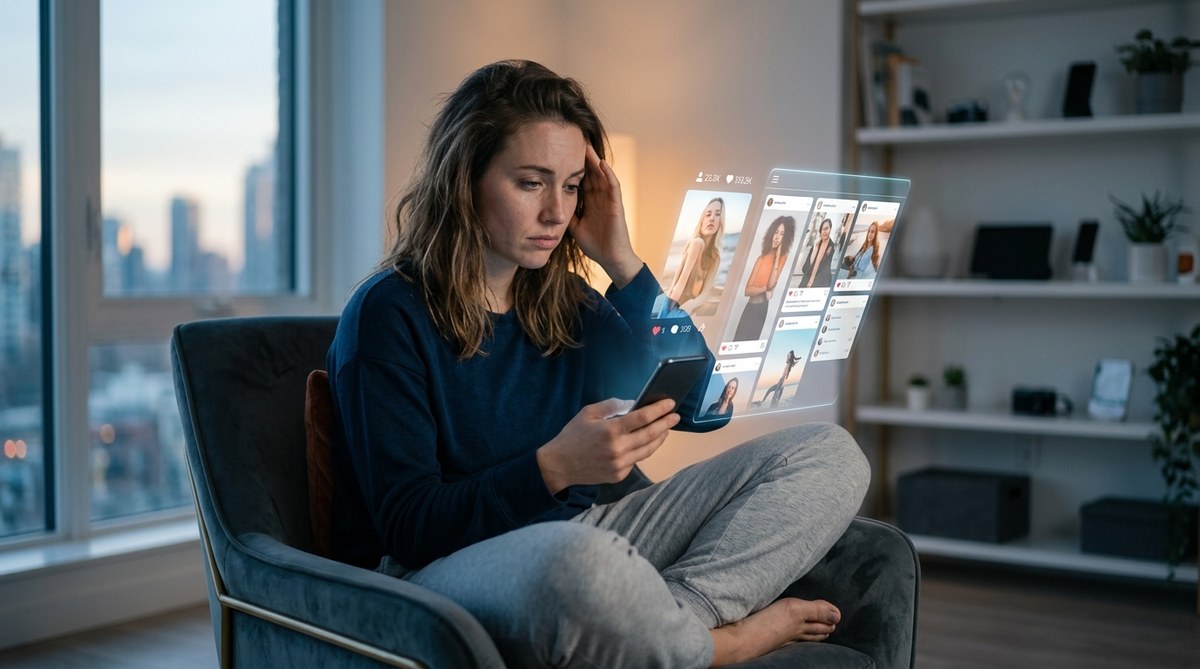
You open your favorite app, ready to create something brilliant. But instead of inspiration, you feel a knot in your stomach. Your thumb hovers over the icon. You scroll for a minute, then close the app. You open it again. Nothing feels worth posting. The ideas that used to flow freely now feel forced or borrowed from someone else. This is not a creative block. This is social media burnout, and it is quietly stealing your creativity one refresh at a time. The good news? You can take back control. You can rebuild a feed that feeds you instead of draining you. Here is how.
Social media burnout drains your creative energy and makes you feel like your inspiration has vanished. The constant pressure to post, compare, and perform leaves many creators feeling stuck in 2026. But you can take back control. This guide shows you how to recognize the warning signs, clean up your feed with intention, set healthy boundaries that actually stick, and rediscover the joy of making things just for yourself without the algorithm calling the shots.
The Hidden Link Between Social Media Burnout and Lost Creativity
Social media burnout does not just make you tired. It actively rewires how your brain approaches creative work. When you spend hours consuming short form content, your brain gets used to high speed, low effort input. Sitting down to write a long post, edit a video, or paint something original feels slow and uncomfortable by comparison. That discomfort gets mistaken for “not feeling inspired.”
Research from 2025 and early 2026 shows a clear pattern. Creators who spend more than three hours per day on social platforms report lower satisfaction with their own work. They also produce less original content and lean harder on trends, templates, and remixes. The cycle feeds itself. You post something that feels safe, it performs okay, so you post more of the same. Eventually, you stop trusting your own taste entirely.
If you have ever deleted a post because it “does not match the vibe” of your feed, or if you have reshaped a genuine idea to fit a trending audio clip, you know what this feels like. Your creativity is not gone. It is being buried under noise.
4 Warning Signs Your Creative Spark Is Being Drowned Out
Not sure if what you are feeling is burnout or just a rough week? Here are the specific signs that social media is crushing your creative flow rather than fueling it.
- You open a creative app and immediately check notifications before making anything.
- You mentally audition every new idea against “will this perform well?” before you even start.
- You feel jealous or resentful when peers post successful content.
- You cannot remember the last time you made something just for fun, with no intention to share.
One of these warning signs on its own is not a crisis. But if you checked three or four, your relationship with social media needs a reset. The platform is no longer a tool for your creativity. It has become the gatekeeper of it.
“The moment you start making things for the algorithm instead of for yourself is the moment your unique voice begins to fade. Social media should be a gallery for your work, not the architect of it.” — Maya Torres, creative strategist and founder of The Studio Reset
A Step by Step Plan to Reset Your Creative Relationship With Social Media
You do not need to quit social media entirely. You need a better system. Here is a step by step process to break the burnout cycle and rebuild a healthy creative practice.
Step 1. Conduct a Feed Audit
Go through everyone you follow. Ask a simple question: does this account make me feel inspired, informed, or genuinely connected? Or does it make me feel anxious, competitive, or inadequate? Unfollow, mute, or snooze any account that falls into the second category. Be ruthless. This is your creative mental health at stake.
Step 2. Set a Minimum Creative Time
Before you open any social app, spend at least 20 minutes on your own creative work. Write in a notebook. Sketch. Edit a photo. Brainstorm ideas without considering format or platform. This protects your creative energy from being shaped by outside influences before you have made anything yourself.
Step 3. Batch Your Posting Days
Pick two days per week for content creation and scheduling. Use a scheduling tool to queue your posts. On the other five days, do not log into creator accounts at all. You can check messages for a short window, but no scrolling, no engagement chasing, and no trend watching.
Step 4. Create a Personal Inspiration Board
Keep a folder, a Pinterest board, or a physical notebook where you save things that move you. These should be things that have nothing to do with your niche or your industry. A poem. A photograph of a building. A sentence from a book. Train your brain to collect inspiration from the real world again.
Step 5. Schedule a Weekly “No Intent” Session
Set aside one hour each week to create something with zero intention of posting it. Write a bad poem. Doodle badly. Film a video no one will see. The goal is to separate the act of creating from the act of publishing. This reconnects you with the original joy of making things.
The Difference Between Inspiration and Overload
Many creators confuse high volume scrolling with active research. They are not the same thing. Real inspiration is generative. It sparks new ideas in your mind. Overload is numbing. It fills your head with other people’s ideas until there is no room for your own.
Here is a table that shows the difference between healthy content consumption and the pattern that leads to burnout.
| Healthy Content Consumption | Burnout Fueling Pattern |
|---|---|
| You follow fewer than 150 accounts | You follow 500+ accounts across platforms |
| You save posts to revisit later | You scroll past everything without absorbing it |
| You feel energized after engaging | You feel drained and compare yourself constantly |
| You take notes on what inspires you | You feel anxious if you miss a day of scrolling |
| You log off easily and stay off | You check notifications within minutes of logging off |
If your current habits look more like the right column than the left column, your feed is working against your creativity. The fix is not to consume less content overall. The fix is to consume more intentionally. For a deeper look at how platform algorithms shape what you see and how to work with them instead of against them, check out our guide on mastering social media algorithms to boost your engagement.
Small Changes That Protect Your Creative Energy Every Day
You do not need a complete digital detox to feel better. Small, consistent changes can rebuild your creative resilience over time. Here are five practices that make a real difference.
- Keep your phone in a different room while you create. The physical distance removes the urge to check for likes.
- Use grayscale mode on your social apps. Without bright colors, the apps become less addictive and easier to put down.
- Turn off all notifications except direct messages from real people. You do not need to know the instant someone likes your post.
- Replace your morning scroll with something tactile. Make coffee, stretch, or read a physical book for ten minutes.
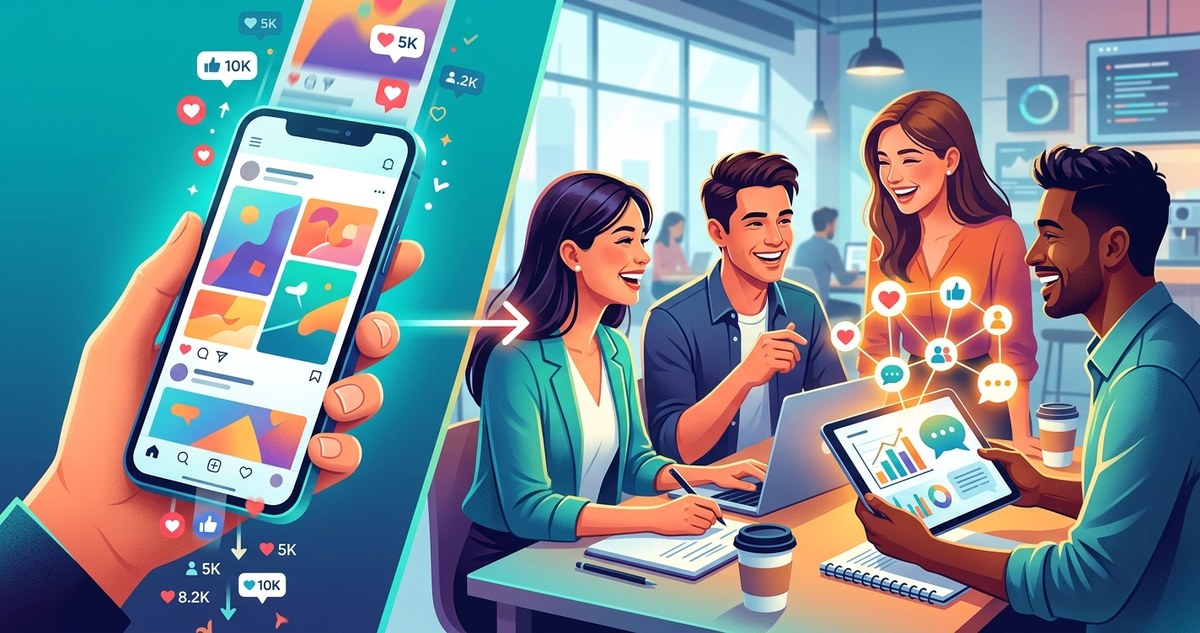
- Join a small, private community of fellow creators who share work without chasing algorithms. Genuine feedback from a trusted group beats a thousand generic likes.
These changes do not require willpower. They require a one time setup. Once your environment is designed for focus instead of distraction, your creativity can breathe again. If you are curious about how online communities can provide that kind of supportive space, take a look at our piece on how online communities foster authentic engagement in the digital era.
Why Your Most Original Work Happens Off the Feed
Here is a truth that feels counterintuitive in 2026. The more time you spend inside social platforms, the less original your work becomes. Algorithms are trained to reward patterns that already work. They push you toward content that looks, sounds, and feels like everything else that is trending. You lose your edges. You sand down your quirks. You become a well optimized version of a type of creator that already exists.
The creators who stand out in 2026 are not the ones who post the most. They are the ones who bring something from outside the feed into the feed. A perspective shaped by books, by long conversations, by time spent making things alone. Your most original work will probably come from the moments when you are not looking at a screen.
That is why protecting your offline creative time is not a luxury. It is the foundation of your career. If you are interested in how newer platforms are trying to address this tension between creativity and algorithm pressure, our article on how emerging social media platforms are redefining user engagement in 2026 covers the landscape.
Your First Step Starts Right Now
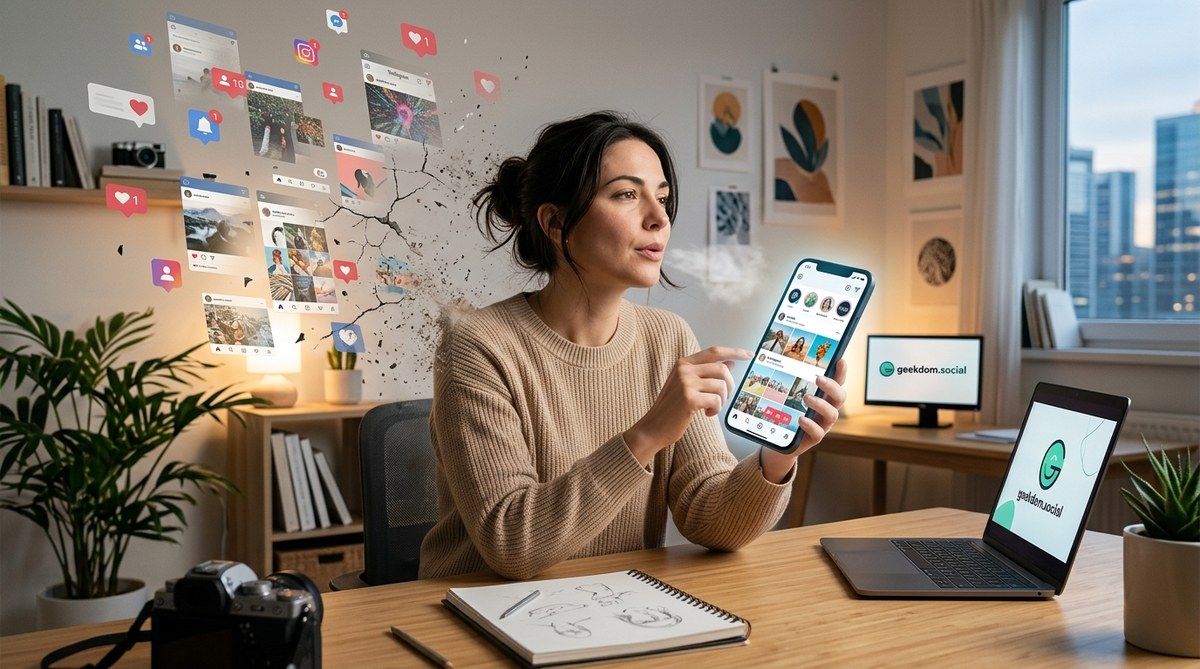
Social media burnout does not have to be the end of your creative journey. It can be the signal you needed to change course. Your creativity is still there. It is waiting for you to make space for it again.
Here is your first action. Close this article. Open your phone. Mute or unfollow five accounts that drain you. Then put the phone face down and make something small with your hands. A sentence. A sketch. A single photo without filters. Do not post it. Keep it for yourself. That is where your creative recovery begins.