In 2026, the most powerful thing a creator can tell their audience is not to buy something. That feels like a plot twist if you have been watching influencer marketing for the last decade. For years, the formula was simple: build a following, post a sponsored link, collect a check. But something shifted. Users got tired of the same polished product shots and the same scripted testimonials. They started noticing when a creator recommended a mattress one week and a different one the next. The trust broke. And out of that crack grew the de-influencing trend.
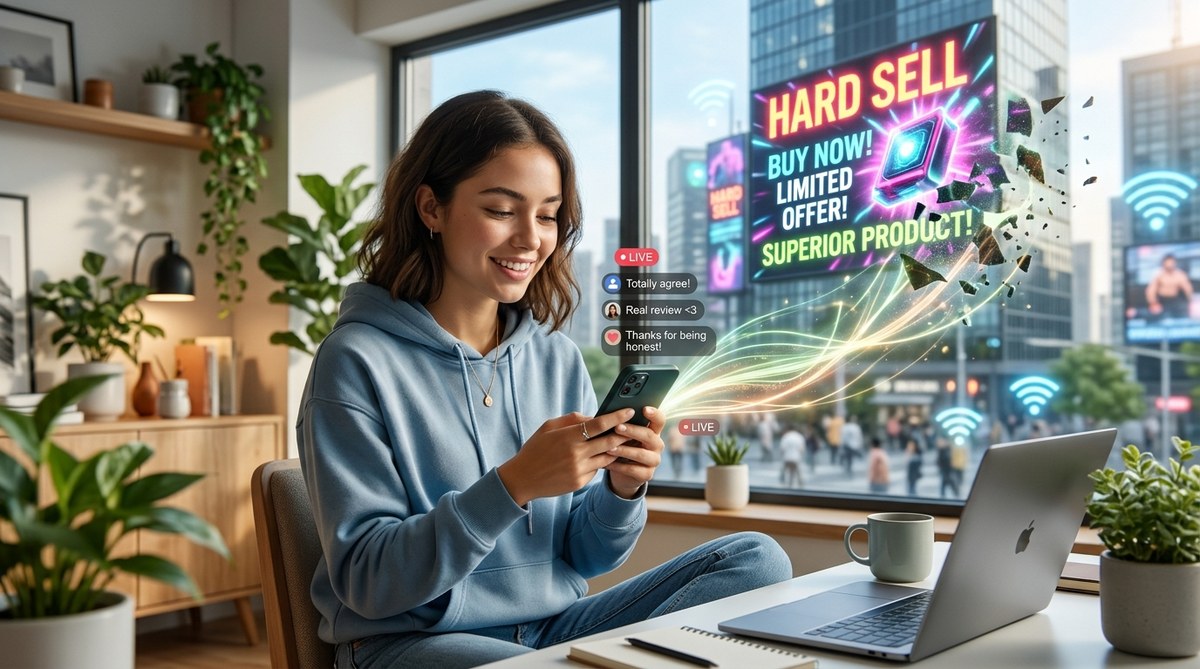
De-influencing is not about telling people to stop spending money. It is about creators and brands prioritizing honesty over commissions. In 2026, audiences reward transparency with loyalty. The brands that survive this shift will be the ones that let creators speak freely, even if that means saying no to a product. Hard selling is out. Real talk is in.
What Is the De-Influencing Trend, Really?
De-influencing is the practice of influencers actively discouraging their audience from buying specific products. It sounds counterintuitive for an industry built on sales, but it works. When a creator with 200,000 followers says a viral skincare serum broke them out, that post gets more engagement than a standard ad. People share it. They save it. They trust it.
The de-influencing trend is not about being negative for the sake of views. It is about correcting the record. It is a response to years of over-hyped launches and paid partnerships that blurred the line between a genuine recommendation and a scripted ad. In 2026, consumers are more skeptical than ever. They have been burned by overpriced water bottles and mediocre beauty blenders. They want someone to tell them what is not worth their money.
Why the Hard Sell Is Failing
The old model of influencer marketing relied on scarcity and urgency. Limited drops. Flash sales. Exclusive codes. Those tactics still work on some level, but the returns are diminishing. Here is what changed:
- Audience fatigue. People are tired of being sold to in every story, every post, every video. The constant pitch creates a reflex to scroll past.
- Algorithm shifts. Social platforms are prioritizing content that keeps users on the app longer. A hard sell gets swiped away. A candid review gets watched twice.
- The trust tax. Every time a creator promotes something they do not actually use, they lose a little credibility. Over time, that debt becomes too expensive.
The de-influencing trend is a direct response to these pressures. It is a way for creators to rebuild the trust they lost during the peak of the sponsorship boom.
How Brands Can Adapt Without Panicking
If you are a brand strategist or a marketing professional, the rise of de-influencing might feel like a threat. It is not. It is a course correction. The brands that lean into this shift will come out stronger. Here is a practical process to follow.
-
Audit your current influencer partnerships. Look at the last six months of campaigns. How many of those creators actually use your product in their daily life? If the answer is none, that is a red flag. Start building relationships with creators who already love your brand.
-
Give creators creative freedom. The worst thing you can do in 2026 is send a creator a script. Let them test your product honestly. If they find flaws, let them say so. Audiences can smell a polished pitch from a mile away.
-
Invest in long-term ambassadors, not one-off posts. A single sponsored video does not build trust. A creator who features your brand in their routine for six months does. That consistency signals authenticity.
-
Monitor the conversation around your brand. Use social listening tools to see what people are saying about your products. If the de-influencing trend is calling out your brand, do not get defensive. Listen. Improve. Then invite those critics to try the updated version.
Techniques That Work (And Mistakes That Sink You)
Not all de-influencing content is created equal. Some creators do it well. Others miss the mark. Here is a breakdown of what works and what does not.
| Technique | Effective Approach | Common Mistake |
|---|---|---|
| Product reviews | Honest pros and cons list with clear context about skin type or lifestyle | Claiming a product is “bad” without explaining why it did not work for them |
| Price transparency | Breaking down the cost per use or comparing to cheaper alternatives | Shaming followers for buying the product in the first place |
| “Do not buy” posts | Explaining what to buy instead with a genuine alternative | Just complaining without offering a solution |
| Sponsored honesty | Disclosing that the video is sponsored but still giving an unfiltered opinion | Hiding the sponsorship tag or pretending the review is unpaid |
The key difference is intent. Effective de-influencing aims to help the audience make a better decision. Bad de-influencing just wants to tear something down for engagement.
“The creators who thrive in this new landscape are the ones who treat their audience like friends, not customers. If you would not recommend a product to your best friend, do not recommend it to your followers. That is the whole philosophy.” — Mikaela Reyes, digital culture strategist
The Role of Micro-Communities in This Shift
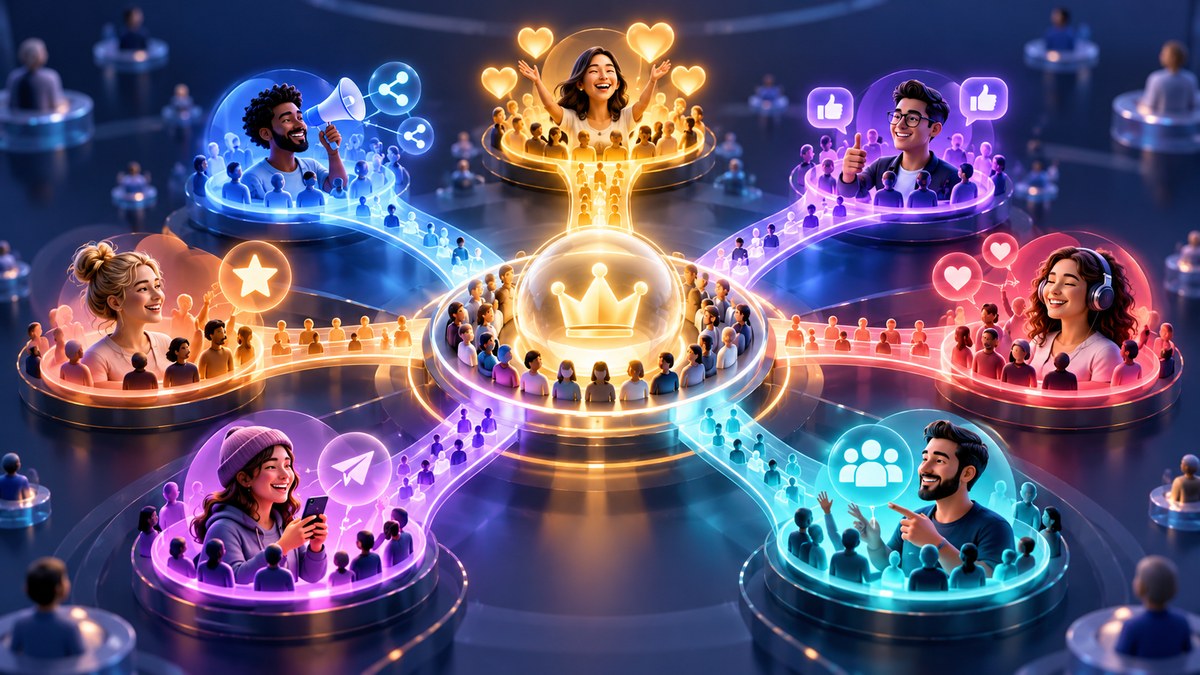
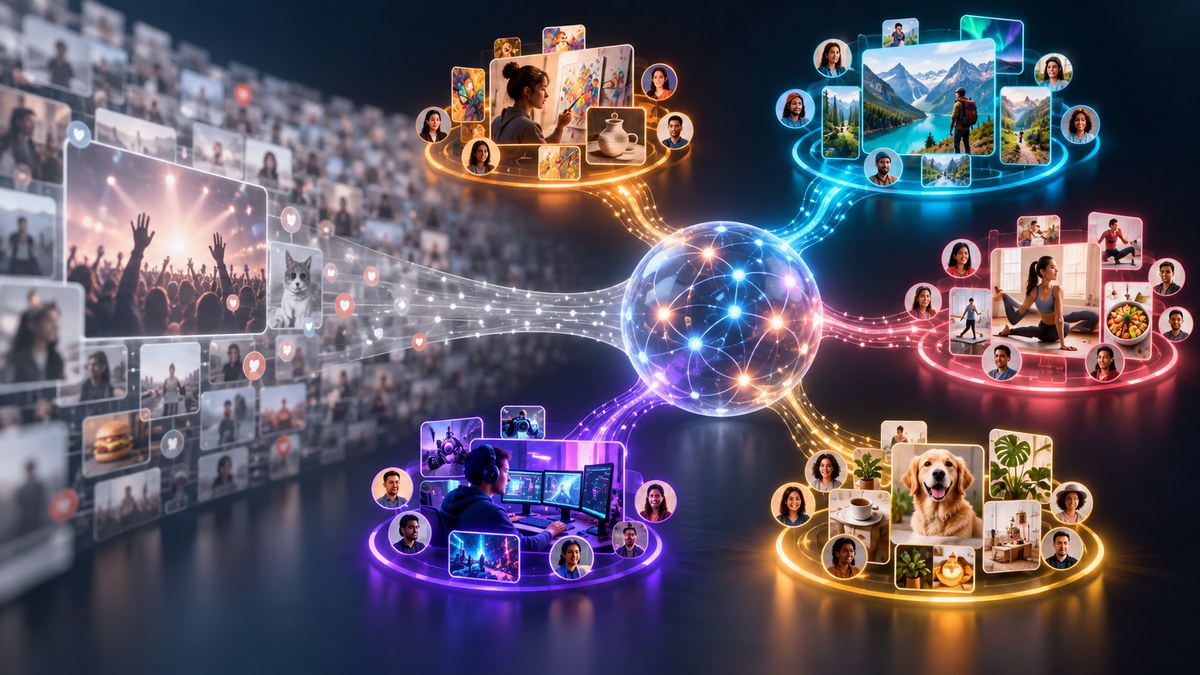
The de-influencing trend is strongest in niche communities. A macro-influencer with ten million followers might still get away with a generic sponsored post. But in a subreddit, a Discord server, or a small YouTube channel focused on a specific hobby, authenticity is everything. Those communities are tight. They share recommendations and they share warnings.
This is why building thriving online communities in the digital age is more important than chasing follower counts. A small, engaged group that trusts your brand is worth more than a massive audience that scrolls past. The de-influencing trend is accelerating the move away from vanity metrics and toward real connection.
Brands that ignore this shift will keep pouring money into campaigns that feel hollow. Brands that embrace it will find themselves woven into the fabric of those communities. They will be the ones recommended in DMs and group chats, not the ones being warned against.
How to Spot a Genuine De-Influencer
If you are a content creator wondering how to participate in this trend without alienating brand partners, the answer is simple: be consistent. Your audience knows when you are being real. Here are signs of a genuine de-influencer:
- They talk about products they dislike as often as products they love.
- They explain their reasoning in detail, not just a thumbs down.
- They do not make every post a recommendation or an anti-recommendation. They mix in lifestyle content, humor, and personal stories.
- They admit when their opinion changes. A product that worked for them six months ago might not work now.
This approach aligns with how online communities foster authentic engagement in the digital era. The goal is not to be a professional critic. It is to be a trusted voice in a space where people feel overwhelmed by choices.
What the Data Says About Consumer Trust
Numbers back up the shift. A 2026 survey from a consumer research firm found that 72% of social media users have avoided buying a product because of a de-influencing post. The same survey showed that 65% of users trust a creator more after they post a negative review. That is a massive incentive for creators to be honest.
The takeaway for brand strategists is clear. Trying to control the narrative by hiding flaws or paying for positive reviews is a losing strategy. The de-influencing trend means those flaws will come out anyway. It is better to own them. If your product has a short shelf life, say so. If it works best for a specific skin type, say that too. The brands that treat their audience like adults will earn their respect.
The Future of Influencer Marketing in 2026 and Beyond
The de-influencing trend is not a passing phase. It is the natural evolution of a market that became oversaturated with paid endorsements. As the future of social platforms and user interaction trends continue to evolve, the value of a single honest voice will only grow.
We are moving toward a model where creators are compensated for their expertise, not just their reach. A beauty creator with 10,000 followers who can explain exactly why a foundation works for oily skin is more valuable than a celebrity with a million followers who posts a blurry mirror selfie with a discount code. The de-influencing trend is the market correcting itself.
For brands, this means shifting your budget. Instead of spending everything on one big campaign with a mega-influencer, spread it across ten smaller creators who actually use your products. Encourage them to be honest. Thank them when they point out a flaw. Use that feedback to make better products. That is how you build a brand that survives the authenticity test.
A New Way to Measure Success
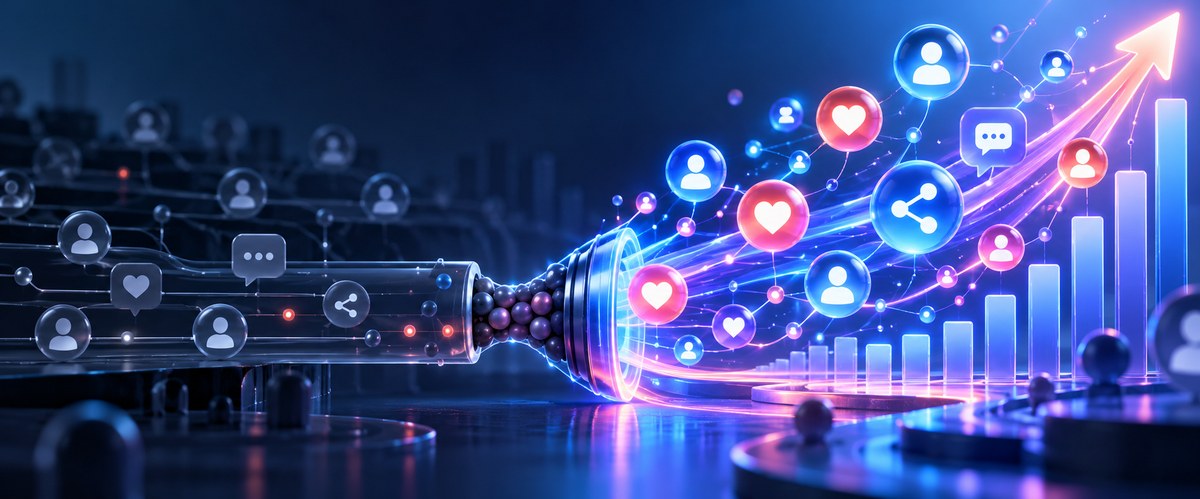
If you are still tracking influencer campaigns by likes and comments, you are missing the point. The de-influencing trend forces us to look at different metrics. Consider these instead:
- Sentiment analysis in the comments. Are people thanking the creator for the honest review?
- Repeat purchase rates from referral links. A lower click-through rate with a higher conversion rate is actually a win.
- Brand mentions in organic conversations. Are people recommending your product in forums and group chats without being prompted?
These signals matter more than a viral post that gets forgotten in a week. If you want to learn more about tracking these deeper engagement patterns, check out how to use social media analytics to predict trends before they go viral in 2026. The data is there. You just have to look in the right places.
Why Creators Should Embrace the “No”
If you are a content creator reading this, do not be afraid to turn down brand deals. Every product you say no to builds credibility for the products you say yes to. Your audience notices. They know when you are being paid to smile. They also know when you are being real.
The de-influencing trend is your permission slip to be honest. Use it. Post a video about the overpriced item you regret buying. Make a list of the five things you actually use every day. Compare two similar products and pick a winner. That kind of content gets saved, shared, and trusted. It also attracts brands who want real advocates, not paid actors.
This kind of approach works best when you understand how to build a thriving social media community from scratch in 2026. A community built on honesty will support you when you say no to a big check. A community built on ads will disappear the moment the free products stop coming.
The Bottom Line on Authenticity
The de-influencing trend is not a rebellion against consumerism. It is a rebellion against dishonesty. People still want to buy things. They still look to creators for recommendations. They just want those recommendations to be real.
In 2026, the loudest voices on social media are not the ones shouting about the latest drop. They are the ones saying, “I tried it so you do not have to.” That is the shift. That is the opportunity. Whether you are a brand manager, a strategist, or a creator, the path forward is the same. Be honest. Be specific. Be willing to say no.
The brands that do that will earn a loyalty that no amount of ad spend can buy. The creators who do that will build a following that lasts long after the trends change. And the audiences who benefit from that honesty will keep coming back for more.